Why Fire Is a Natural and Necessary Force
Wildfires are typically framed as destructive events—environmental collapse fueled by climate change and blatant negligence. While it’s true that wildfires can be catastrophic, this framing overlooks a crucial ecological truth: fire is a natural and beneficial process in many ecosystems.
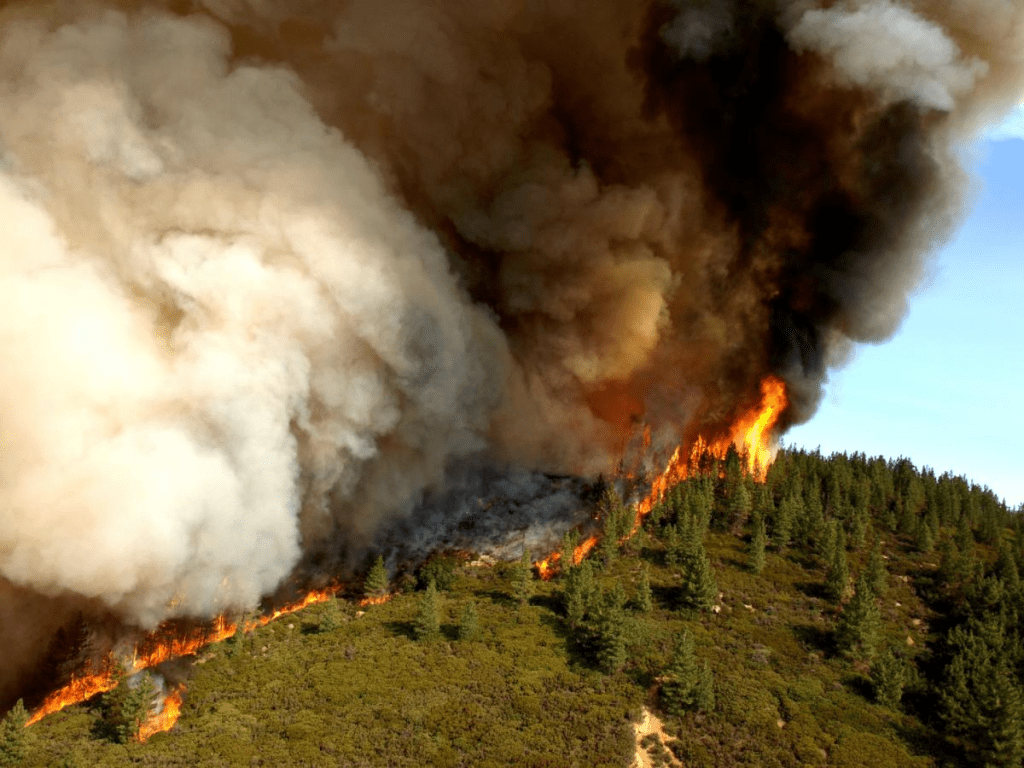
For millennia, wildfires have shaped landscapes by regulating species recycling nutrients and maintaining biodiversity. Understanding how and why fire benefits ecosystems is essential for separating natural fire regimes the destructive megafires that we see increasingly seen today.
Fire as a Natural Ecological Process
Long before modern land management practices, fire occurred naturally through lightning strikes and volcanic activity. Many ecosystems evolved with fire as a recurring disturbance.
Ecologists describe this as a fire regime, which includes:
- How often fires occur
- How intense they are
- How large they tend to be
- What season they typically burn
When fires occur within their historical fire regime, ecosystems often depend on them for long-term health.
How Wildfires Benefit Ecosystems
1. Nutrient Cycling and Soil Renewal
Wildfires return nutrients locked in dead plant material back into the soil. Ash from burned vegetation is rich in minerals like phosphorus, potassium, and calcium, making nutrients readily available for new plant growth.
In fire-adapted ecosystems, post-fire landscapes often experience bursts of productivity, with grasses, wildflowers, mushrooms, and shrubs regenerating quickly.
2. Promoting Plant Diversity
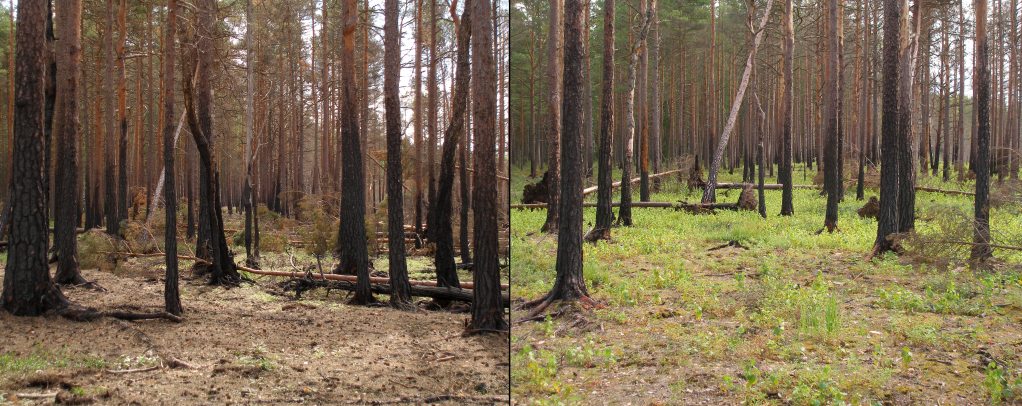
Fire prevents any single plant species from dominating an ecosystem. By periodically clearing vegetation, wildfires create open space and sunlight for new plants to establish.
Many plants are fire-adapted, meaning they:
- Resprout from roots after burning
- Germinate only after exposure to heat or smoke
- Produce seeds that require fire to open
Without fire, these species can decline or disappear entirely.
3. Fire-Dependent Species
Some plants require fire to reproduce. A classic example is lodgepole pine, whose cones open only under high heat, releasing seeds onto freshly cleared soil.
In ecosystems where fire is suppressed, these species struggle to regenerate, altering forest structure and reducing biodiversity over time.
4. Habitat Creation for Wildlife
Wildfires create a mosaic of habitats—burned areas, partially burned zones, and unburned patches—that support a wide range of wildlife.
Post-fire landscapes often benefit:
- Birds that nest in standing dead trees
- Herbivores attracted to fresh plant growth
- Insects that colonize burned wood
5. Reducing Fuel Loads
Low-intensity, frequent fires consume dead leaves, fallen branches, and dry grasses. This reduces the buildup of fuel that can otherwise lead to larger, more destructive fires.
Historically, many forests experienced regular, mild fires that kept ecosystems resilient. Fire suppression disrupted this balance.
Examples of Fire-Adapted Ecosystems
Forests of the American West
In places like Yellowstone National Park, wildfires play a crucial role in forest renewal. The 1988 fires, initially viewed as ecological disasters, later revealed how fire promotes forest regeneration, soil health, and habitat diversity.
Grasslands and Savannas
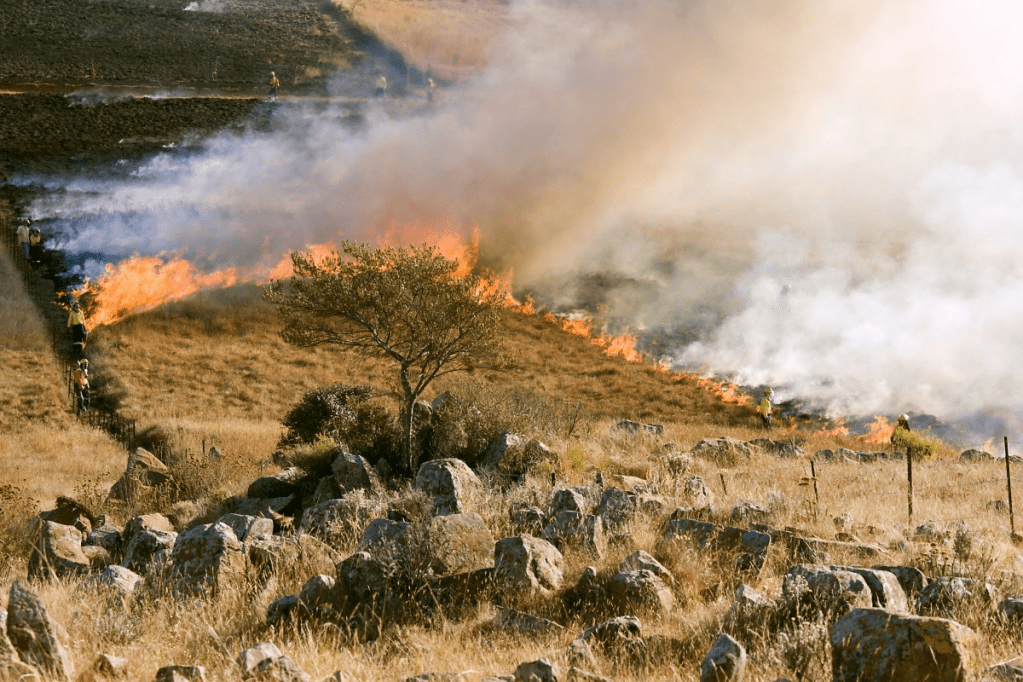
Grassland ecosystems often require fire to prevent encroachment by trees and shrubs. Without periodic burning, grasslands can transition into forests, reducing habitat for species adapted to open landscapes.
Pine Forests of the Southeastern United States
Longleaf pine ecosystems evolved with frequent, low-intensity fires. Fire maintains open understories, supports native grasses, and enables the reproduction of fire-dependent plants.
Indigenous Fire Stewardship
For thousands of years, Indigenous peoples around the world intentionally used controlled burning to manage landscapes. These practices:
- Reduced fuel loads
- Encouraged food plant growth
- Maintained open travel corridors
- Increased biodiversity
Modern fire science increasingly recognizes that the loss of Indigenous fire stewardship has contributed to today’s wildfire crisis.
When Fire Becomes Destructive
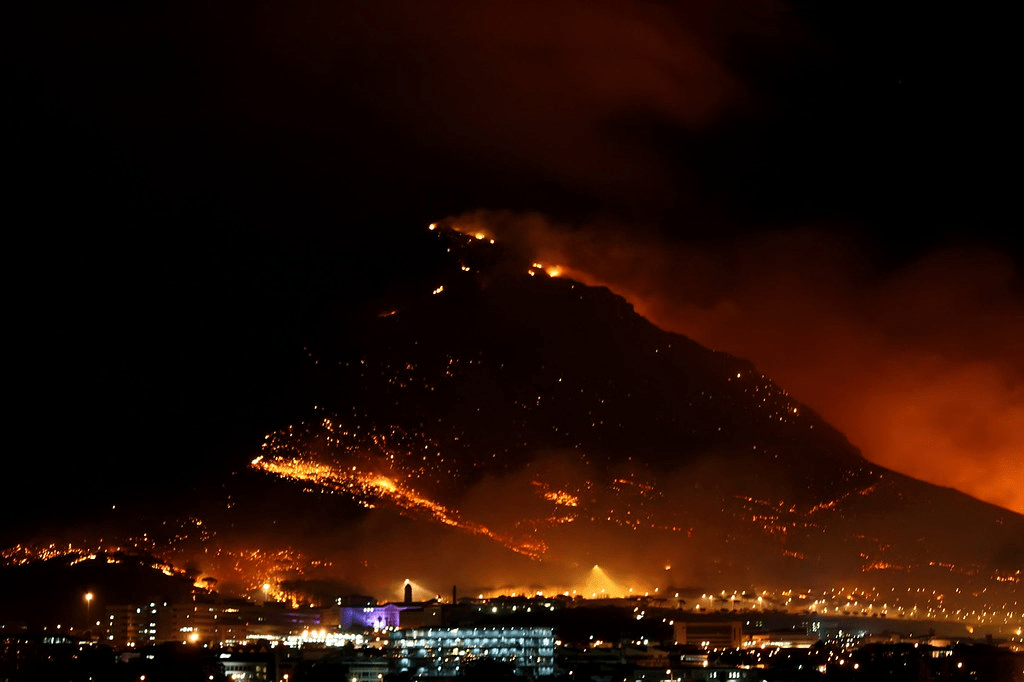
While fire itself is natural, today’s wildfire problem is not solely natural.
Factors that make modern wildfires more dangerous include:
- Climate change increasing heat and drought
- A century of aggressive fire suppression
- Expansion of homes into fire-prone areas
- Altered ecosystems with unnaturally high fuel loads
These conditions lead to megafires—fires that burn hotter, larger, and faster than historical fire regimes.
Difference Between Fire and Fire Mismanagement
Not all fires are beneficial. The key distinction is whether fire occurs:
- At the right frequency
- At the right intensity
- In the right ecosystem
Prescribed burns and managed wildfires aim to restore natural fire regimes, reducing the likelihood of catastrophic fires while supporting ecosystem health.
Rethinking Wildfires
Viewing all wildfires as environmental failures leads to policies focused solely on suppression. In reality, excluding fire from fire-adapted ecosystems often makes them more vulnerable, not safer.
Healthy ecosystems need disturbance. Fire, when allowed to function naturally or while being carefully managed, is one of the most powerful tools nature has for renewal.
