AI as a Catalyst for a More Resilient, Low-Carbon Grid
Many environmentalists recoil at the rapid expansion of artificial intelligence and the data centers that have come with it. AI systems are energy-intensive, causing electricity demand to grow at a rate that the energy grid will not be able to accommodate. It‘s a painfully familiar circumstance: a technological leap that undermines environmental progress by increasing resource consumption and emissions. Though, the more closely I examine what’s actually happening on the ground, the less convinced I am that AI represents a net loss for environmentalists. In fact, I see it as a force that is compelling long-overdue changes to the energy system—changes that may ultimately accelerate the transition to cleaner power.

AI is stress-testing the electrical grid. For decades, electricity demand in the United States grew at a predictable rate, which allowed utility companies and policymakers to defer investment and rely on an aging infrastructure system. Large data centers have upended this trend by requiring immense quantities of electricity, delivered continuously. These data centers can’t easily scale back during peak demand, and they expose weaknesses in transmission, generation, and capacity planning that have existed within energy systems for years. This new demand has made it impossible to pretend that the current grid is sufficient for an increasingly electrified future.
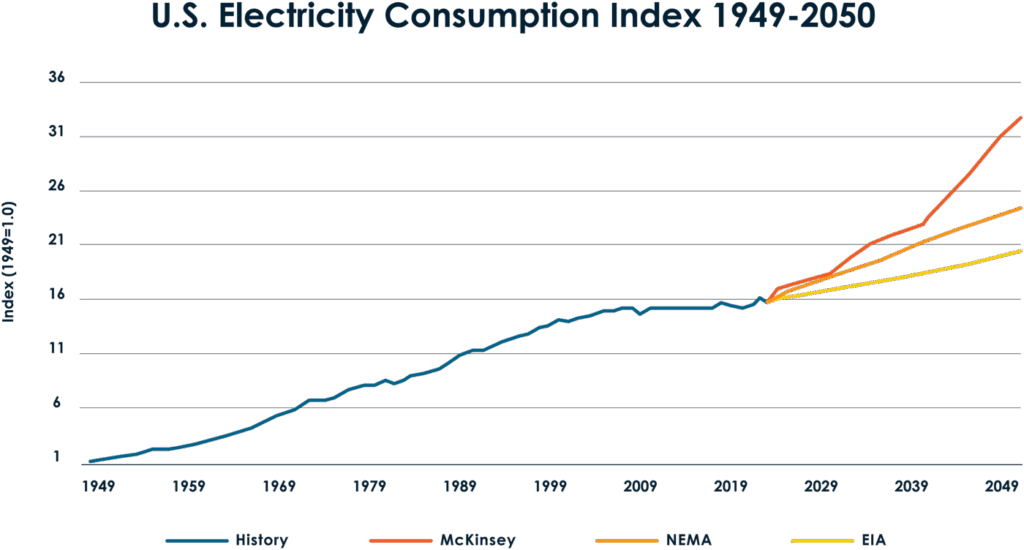
This realization is not intrinsically negative despite what many people seem to believe. It instead brings a focused lens to a question advocates have been asking for a long time: how can we manufacture enormous amounts of reliable, low-carbon electricity at scale? This question that has been a core problem for climate advocates is being forced onto utility companies and governments that can no longer rely on incremental solutions or short-term fixes. AI has forced the hand of the system which now needs dependable power sources that can meet constant demand without dramatically increasing emissions.
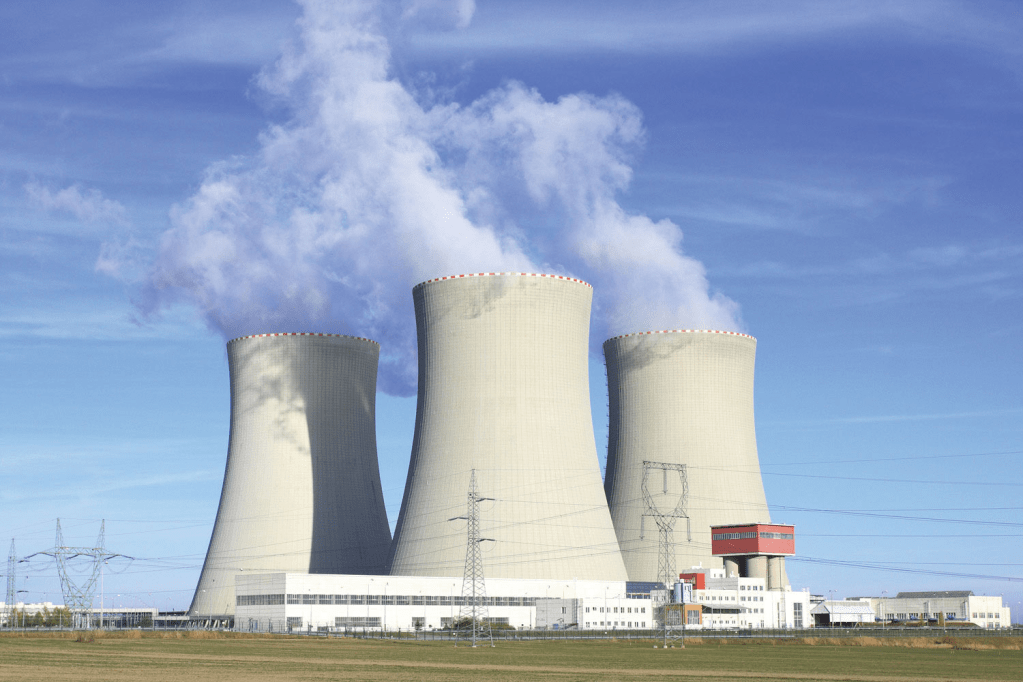
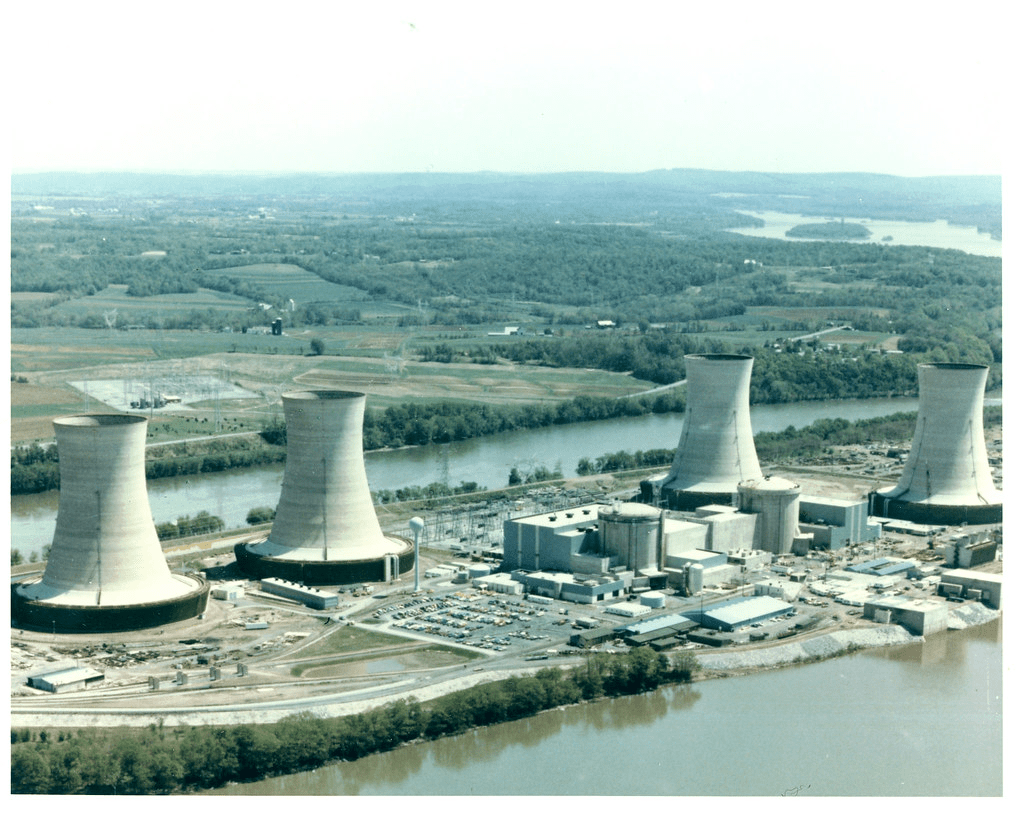
Nuclear energy can now reenter discussion in a way that is more meaningful than at other points in United States history. Nuclear power gives us something that few other energy sources can: sizable quantities of carbon-free electricity available constantly. Nuclear does not depend on weather conditions, nuclear produces no greenhouse gases during operation, and once constructed, nuclear delivers electricity at a relatively low and stable cost over a period of decades. These qualities are of utmost importance when powering energy-intensive infrastructure. As a result, interest in extending the life of existing reactors, reopening previously shuttered facilities, and developing new nuclear capacity is growing, driven largely by projected demand increases which are partially fueled by AI systems.
Tech companies are increasingly more aware that their long-term viability depends on stable and clean power. Companies that are becoming reliant on AI technology, such as Google, are seeking long-term energy resources because intermittent or carbon-heavy electricity exposes them to operational and reputational risks. Economic self-interest paired with low-carbon generation reframes clean energy not as just a moral concession brands must make, but instead as a requirement for modern infrastructure and corporate policy alike.
Public support for clean energy tends to rise when it is associated with affordability and reliability. If new nuclear plants and grid upgrades—prompted in part by AI-driven demand—help to stabilize electricity prices and reduce outages, public sentiment toward clean energy can change rapidly. When low-carbon power is experienced as dependable and cost-effective, it becomes politically resilient. That resilience is something climate policy has often lacked.
It’s worth noting that AI is not merely a voracious energy consumer; it is also a mechanism for improving energy systems themselves. AI models are already being deployed to optimize grid operations, forecast renewable generation, reduce transmission inefficiencies, and identify any other inefficiencies across the energy network that is currently in place. While this does not negate the additional environmental cost of running and training AI systems, it muddies what many seem to be a simple narrative: AI is purely extractive and a hindrance to sustainability. Like most technologies, AI’s environmental impact is shaped by how it is governed and integrated into broader human systems.

None of this suggests that environmentalists should be uncritical champions for AI adoption. There are real risks and without careful policy, increased demand could still cause additional incremental demand for fossil fuel energy in some places. We need to realize that AI is not just some fad, opposing it outright does little to shape its adoption as a technology into the cultural ethos. What feels more logical and productive is recognizing that AI has already exposed structural weaknesses in the energy system that was already impeding decarbonization. By forcing investments in grid modernization and reviving serious consideration of nuclear power, AI may be accelerating changes that climate advocates have long argued were necessary.
How I see it is that this moment represents a rare opportunity. AI is reshaping the grid whether environmentalists choose to engage with it or not. Our choice is whether to resist the technology on principle (which many may choose to do) or to leverage its demands to push for a cleaner, more resilient, and more equitable energy system. If AI helps to catalyze a transition toward abundant, low-carbon electricity, then its environmental legacy may not end up where we currently fear.
