Anteater Habitat: Where Anteaters Live and Why Their Environments Matter
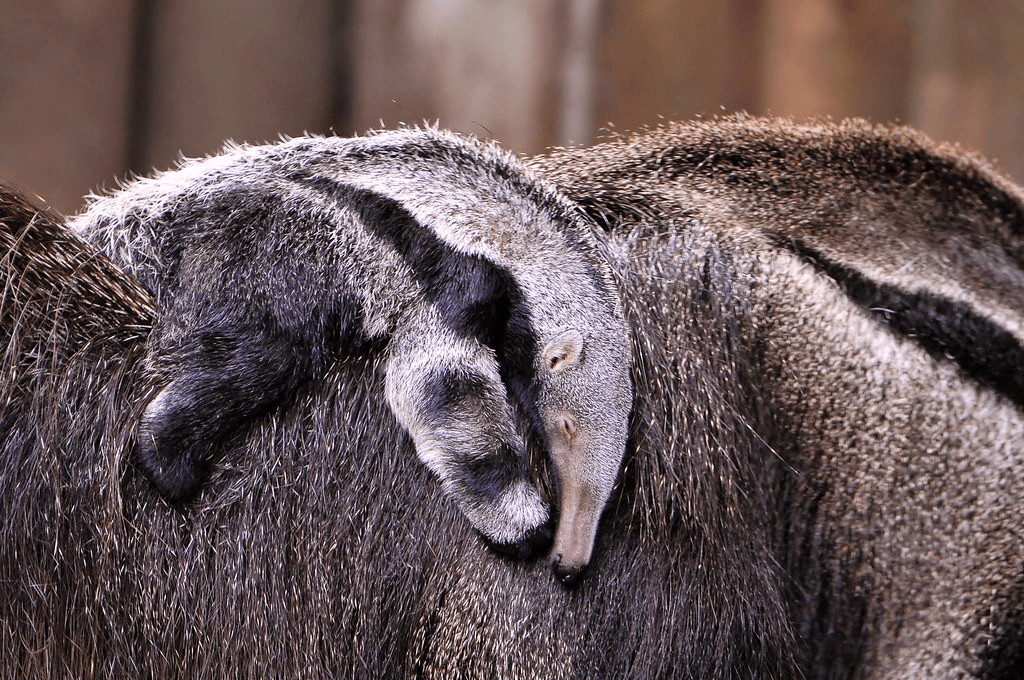
Anteaters are fascinating mammals recognized for their long snouts, powerful claws, and highly specialized diets of ants and termites. But where anteaters live can be just as interesting as how they feed. Their habitats influence their survival, behavior, and conservation needs. Changes in these environments directly impact their future.
What Are Anteaters?
“Anteater” refers to members of the mammalian suborder Vermilingua, meaning “worm tongue”, because of their long, sticky tongues used to capture ants and termites. They are part of the larger order Pilosa, which also includes sloths.
Today, scientists recognize anteaters in several taxonomic groups:
- Giant anteater (Myrmecophaga tridactyla)
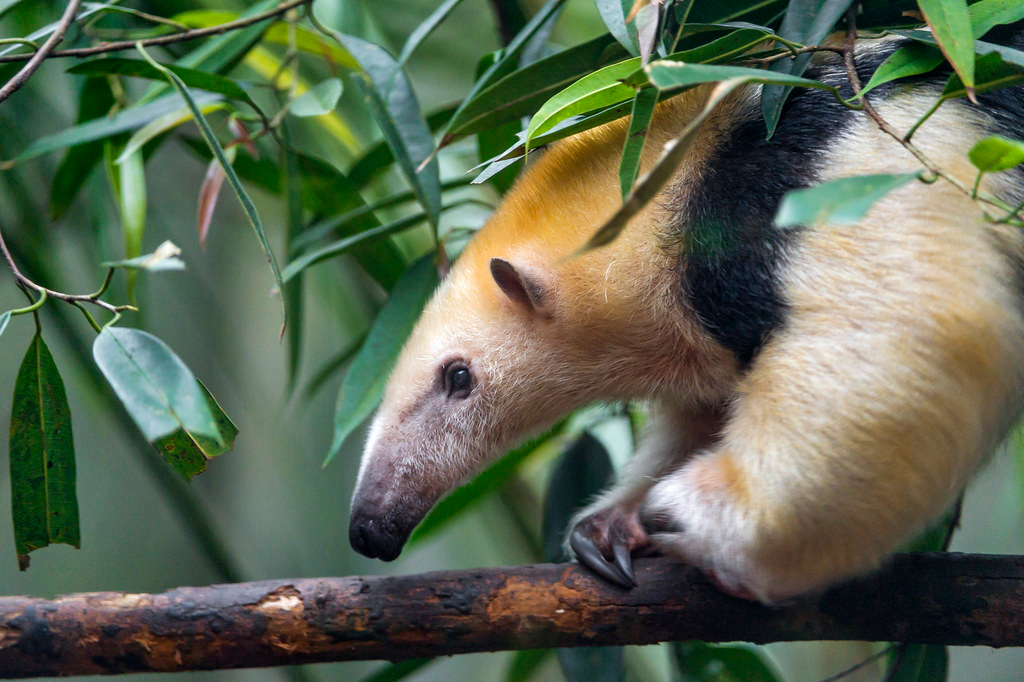
- Tamanduas — Northern tamandua (Tamandua mexicana) and Southern tamandua (Tamandua tetradactyla)
- Silky anteaters — historically classified as Cyclopes didactylus, but genetic research now indicates at least seven distinct species within the genus Cyclopes, all small and arboreal.
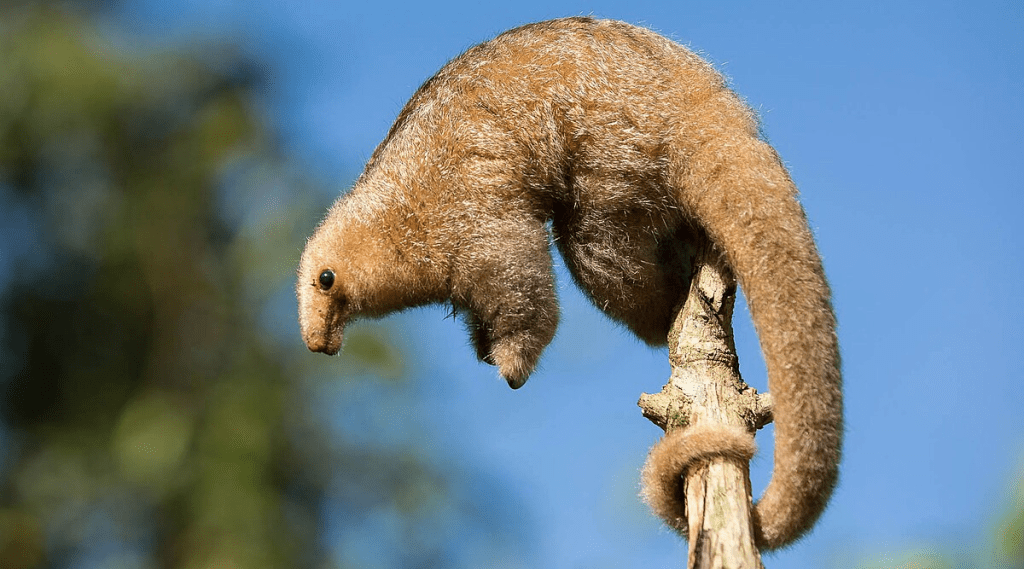
Because taxonomy is evolving, articles for general audiences may still refer to “the silky anteater” as a single species—but it’s more accurate to view this group as multiple cryptic species sharing similar ecology.
Geographic Range: The Americas
All living anteater species are native to the tropical and subtropical regions of the Americas. Their collective range stretches from southern Mexico through Central America and into much of South America.
Fossil evidence shows that ancestral anteaters once had a broader range, but species today are limited to these regions.
Key Anteater Habitat Types
Anteater habitat varies widely across species, but all depend on ecosystems that support abundant insects, especially ants and termites.
Tropical Rainforests
Tropical rainforests are essential for arboreal species like silky anteaters and contribute significantly to tamandua habitat. These forests offer:
- Dense tree cover and canopy for movement and shelter
- High humidity that supports insect abundance
- Complex vertical structure for arboreal foraging
Silky anteaters are almost entirely tree-dwelling, moving along vines and branches in lowland rainforests. Their habitats are continuous forest canopies where they find nests and cover.
Forest Edges, Secondary Growth & Riparian Areas
Tamanduas are semi-arboreal and more adaptable than giant anteaters. They use:
- Tropical and subtropical forests
- Gallery forests and forest edges
- Secondary growth and areas near water
These environments provide both climbing opportunities and terrestrial forage. They are often found near streams and areas with abundant vines and hollow trees for shelter.
Grasslands, Savannas & Open Habitats
The giant anteater is most associated with open landscapes:
- Grasslands
- Tropical savannas
- Open woodlands
- Mosaic habitats with adjacent forest patches
These habitats support termite mounds and ant colonies that giant anteaters exploit. They use open spaces for foraging but still require forested patches or cover for resting and shelter.
Habitat Requirements That Matter
Across species, anteaters share several habitat needs:
Insect Abundance
Their survival depends directly on high densities of ants and termites.
Suitable Climate
Anteaters thrive in tropical to subtropical climates; they are sensitive to cold and lack insulating fat or dense fur, meaning even slight temperature extremes can impact survival.
Shelter & Cover
Whether forests, tall grass, or woody vegetation, cover provides shelter from predators and extreme weather.
Landscape Connectivity
Large, connected landscapes are particularly vital for giant anteaters, which need wide home ranges. Fragmentation can isolate populations and reduce access to food and mates.
Conservation Status & Habitat Threats
Anteater populations vary by species:
- The giant anteater is classified as Vulnerable by the IUCN Red List due to habitat loss, fragmentation, fires, and road mortality.
- Tamanduas and silky anteaters are generally considered of Least Concern at a global level, but local threats still impact populations.
Main Threats
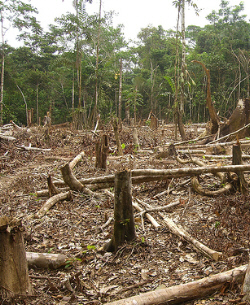
- Habitat destruction due to agriculture, cattle ranching, and urban expansion
- Wildfires, especially in savannas and grasslands
- Roads and vehicle collisions
- Hunting and illegal trade
- Low reproductive rates that slow population recovery
Habitat loss not only reduces available food but also increases mortality from human-related threats.
Why Anteater Habitats Matter
Anteaters play a role in regulating insect populations, which affects soil turnover and nutrient distribution. Their feeding behavior helps aerate soil and influence mound dynamics. Healthy anteater populations can be an indicator of robust insect communities and intact ecosystems—though they are not a formal indicator species in all ecological frameworks.
