How to Live More Sustainably During the Holiday Season
The holiday season is a high-impact time for the environment. Shopping, decorating, cooking, hosting, and traveling all ramp up at once, and the result is more waste and higher emissions than almost any other part of the year. Living more sustainably during the holidays doesn’t mean giving up the traditions you enjoy (maybe, we’ll see in this article). It’s about trimming the unnecessary excess and choosing options that reduce environmental strain without changing the heart of the season.
Choose Decorations That Last
Holiday décor tends to be used for short bursts and then packed away. Choosing durable pieces — wood, glass, fabric, or metal — instead of disposable plastic decorations cuts down on long-term waste. Natural elements like evergreen branches, pinecones, dried citrus, and candles create a warm atmosphere and break down naturally when you’re done with them. They also create a very nice ambiance within your home that tacky, plastic decorations fail to deliver on. Avoiding single-use décor is one of the easiest, most impactful shifts that you can make to your holiday habits.

Give Useful, Low-Waste Gifts
Gifts generate a huge amount of holiday waste, especially when they’re bought without much thought. Choosing items people will actually use — practical goods, consumables, handmade items, or experiences — reduces clutter and resource consumption. Shopping locally also cuts down on shipping emissions and supports community makers. The goal is simple: fewer things that end up forgotten in January.
If you can’t think of a gift for a friend (or don’t think of them on time), maybe you shouldn’t be buying them something…just a thought.
Use Sustainable Gift Wrap
Most wrapping paper can’t be recycled, especially glossy or glitter-covered types. Brown paper, fabric wraps, reusable gift bags, and newspaper are low-waste options that still look intentional. A simple ribbon or natural accent adds a finishing touch without contributing to landfill waste.
I typically use paper Trader Joe’s bags to wrap a few gifts each year. It’s a great way to give them some more life and the colors go great for wrapping Christmas presents.
Plan Food to Reduce Waste
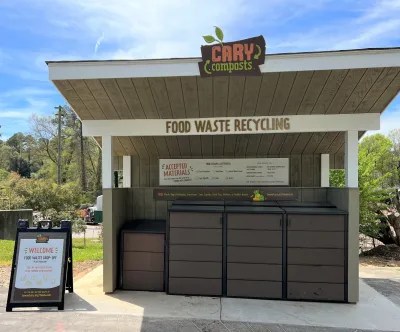
Holiday meals are a major source of seasonal waste. Planning portions realistically and choosing seasonal, local ingredients reduces your footprint. Leftovers can be turned into next-day meals, and vegetable scraps or spoiled items can be composted. Cooking with intention helps avoid the classic overloaded fridge and wasted food that often follow big gatherings.
Be Thoughtful with Energy Use
Lights, ovens, heaters, and appliances drive up energy consumption. Using LED lights, putting decorations on timers, cooking dishes that share oven temperatures, and layering clothing instead of increasing heat are all things that help reduce energy use. Small adjustments can make the holidays more environmentally friendly without altering your experience in any noticeable way.
Travel Smart When Possible
Travel is often the largest contributor to holiday emissions. When possible, combining trips, carpooling, taking trains, or staying longer instead of making multiple visits helps cut your footprint. Even reducing a few unnecessary trips can make a meaningful difference.

Share Instead of Buying Everything New
Holiday hosting often leads to tidal wave of purchases — extra dishes, table linens, event supplies, and décor. Borrowing something that you may not have, and also not need on a daily basis reduces waste and avoids buying items you’ll only use once. Sharing resources works especially well for larger gatherings, themed parties, or seasonal decorations that don’t see daily use.
Focus on What Actually Matters
The holidays naturally encourage reflection, connection, and slowing down to appreciate your life. All of these ideas pair well with a sustainable mindset. Prioritizing meaningful moments over the constant consumption that capitalism rams down our throats helps to keep the season enjoyable without adding environmental strain.
Ease In, Don’t Overhaul Everything at Once
Sustainable holidays don’t require big lifestyle changes. You can start with one or two habits from this article — reusable wrapping, more thoughtful gifts, better meal planning, or lower energy usage. Over time, these small choices add up and become part of how you celebrate year after year after year.
Even if you took 1 or 2 things from this article I would be extremely grateful. I hope you can work to make your holiday season more sustainable.
With a few intentional shifts, the season becomes just as enjoyable and far easier on our mother earth.