The Most Sustainable Drinks You Can Enjoy Every Day
Let’s talk about something we do multiple times a day without thinking much about it: drinking. Whether you’re reaching for your morning beverage or staying hydrated throughout the day, the drinks we choose have a surprisingly big impact on our planet. Making eco-friendly choices doesn’t mean sacrificing flavor or convenience. In fact, some of the best options are probably already sitting in your kitchen.
Tap Water: The Ultimate Sustainable Beverage
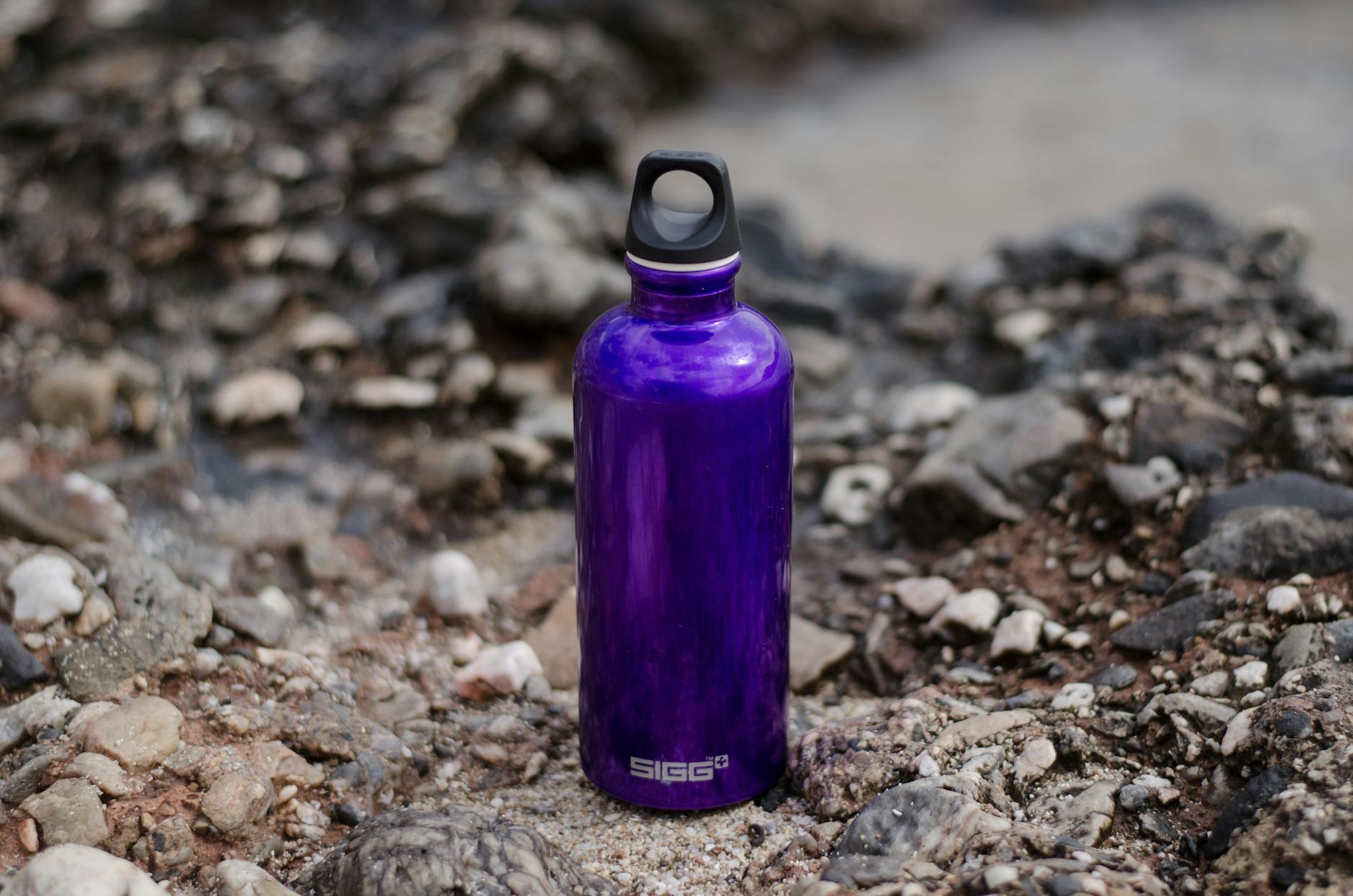
When we think about green drinking habits, water is the obvious champion. Tap water requires minimal processing, no packaging, and travels through existing infrastructure right to your home. If you’re concerned about taste or quality, a simple filter can make a world of difference. Using a reusable bottle transforms this already eco-friendly choice into an environmental superstar. Think about it: one reusable bottle can replace hundreds of single-use plastic bottles over its lifetime.
Tea: An Eco-Friendly Choice with Ancient Roots
Tea deserves recognition in the sustainability conversation. This beverage has a remarkably small environmental footprint, especially when you choose loose-leaf varieties or bags from responsible brands. Tea plants are hardy and require less water than many other crops. When you opt for organic or fair-trade certified options, you’re supporting farming practices that protect soil health and biodiversity. Plus, those leaves can go straight into your compost bin after brewing. Whether you prefer green, black, herbal, or white varieties, you’re making a choice that’s gentle on the planet.
Sustainable Coffee: How to Make Your Daily Cup Eco-Friendly
Coffee lovers, don’t worry; your daily cup can absolutely be green with a few mindful choices. The key is looking for shade-grown, organic, and fair-trade certified beans. Shade-grown coffee preserves forest canopy, providing habitat for birds and other wildlife while preventing soil erosion. The way you brew matters too. French press, pour-over, and other methods that skip the pods and filters create less waste. If you can’t live without your coffee maker, choosing compostable filters or a reusable option makes a difference. Buying from local roasters often means fresher coffee with a smaller transportation footprint.
Plant-Based Milk: The Environmental Benefits of Dairy Alternatives
Plant-based milks have exploded in popularity, and from an environmental perspective, most are better choices compared to dairy. Oat milk has emerged as one of the most eco-friendly options available. Oats require relatively little water to grow, thrive in cooler climates, and have a much smaller carbon footprint than dairy production. The difference is striking: producing oat milk generates about 80% less greenhouse gas emissions than dairy. Soy milk is another solid choice, particularly when sourced from responsible farms. While almond milk gets criticism for water usage, it still uses less water overall than dairy production when you factor in the water needed to grow feed crops for cows.
Homemade Drinks: Zero Waste Beverage Options
Homemade beverages open up a world of eco-friendly possibilities. Making your own infused waters, herbal teas from garden herbs, or fruit-based drinks means you control every ingredient and eliminate packaging waste entirely. That pitcher of cucumber-mint water or homemade iced tea represents zero packaging and minimal processing. You can use imperfect produce that might otherwise go to waste, turning those slightly bruised berries or wilting herbs into something delicious. Fermented drinks like kombucha or water kefir can also be made at home, creating probiotic-rich beverages with minimal environmental impact.
Fresh Juice: Understanding the Sustainability Trade-Offs
Juice might seem healthy and natural, but it’s worth approaching with some caution from an environmental standpoint. It requires a lot of produce to make relatively little liquid, and when you remove the fiber, you’re discarding a portion of the plant. If you love juice, making it at home allows you to use the whole fruit when possible and compost the pulp. Choosing juice from local, seasonal fruits makes it more eco-friendly, and some folks even use their pulp in baking or cooking, reducing waste.
Local Wine and Beer: Supporting Sustainable Alcohol Production
Wine and beer enthusiasts can feel good about their choices too, especially when they opt for local and organic options. Local wineries and breweries have shorter transportation chains, which means a smaller carbon footprint. Many smaller producers are also adopting organic and biodynamic farming practices that support soil health and ecosystem balance. Beer, in particular, can be quite green since it’s typically made from grains, hops, and water; all ingredients with relatively low environmental impacts. Some breweries are even finding ways to repurpose spent grain, sending it to farms for animal feed or composting.
Coconut Water: Weighing the Environmental Impact
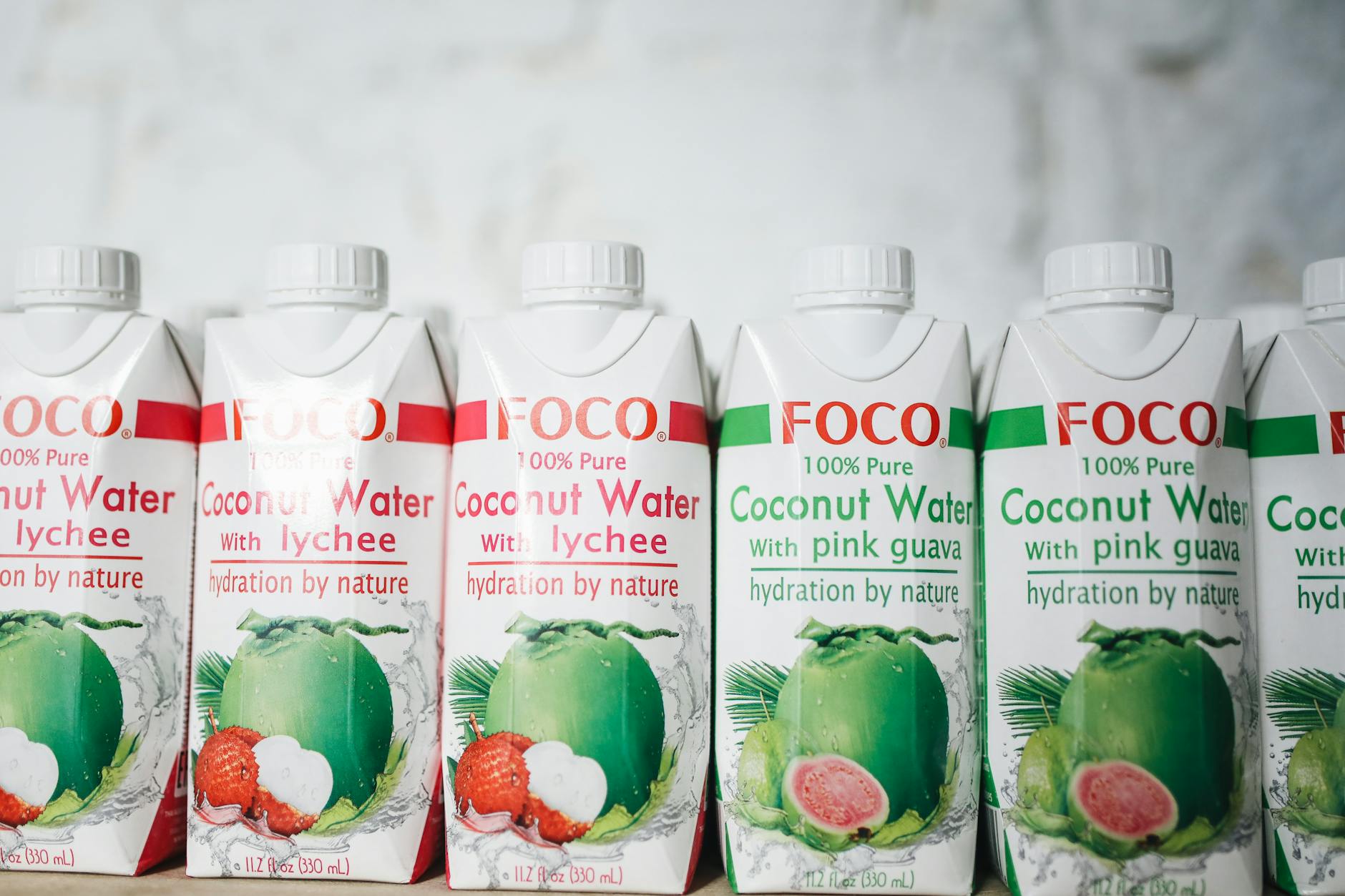
Coconut water has become trendy, but its sustainability is complicated. The coconuts themselves grow on trees that require minimal intervention, which is positive. However, most coconut water travels long distances from tropical regions, racking up transportation emissions. If you love it, buying it occasionally rather than daily, and choosing brands committed to fair labor practices makes it a more responsible choice.
The Container Matters: Choosing Reusable Over Single-Use
One of the most impactful things you can do has nothing to do with what’s inside your glass; it’s about the container. Single-use bottles and cans create mountains of waste, even when recycled. Recycling requires energy and resources, and many items end up in landfills despite our best intentions. Investing in quality reusable bottles and cups for both hot and cold beverages is transformative. A stainless steel water bottle, a ceramic coffee mug, and a glass jar or two can handle virtually all your drinking needs while eliminating countless disposable containers.
Energy Consumption: The Temperature of Your Drinks
The temperature of your beverages matters more than you might think. Hot drinks require energy to heat, whether you’re boiling water for tea or brewing coffee. Cold drinks often rely on refrigeration, which uses ongoing energy. Enjoying more beverages at room temperature, when appropriate, is a small but meaningful way to reduce energy consumption. Room temperature water, herbal infusions steeped in cool water overnight, or simply letting your cold brew come to room temperature can all reduce your energy footprint.
Supporting Environmentally Responsible Beverage Brands
Supporting brands with strong environmental commitments amplifies your impact. Look for companies that use renewable energy in production, invest in eco-friendly farming practices, minimize packaging, and are transparent about their supply chains. Many beverage companies now publish sustainability reports; these aren’t just marketing fluff but detailed accounts of their environmental initiatives. Voting with your dollars for companies doing the right thing encourages the entire industry to follow suit.
Seasonal Drinking: Aligning Your Beverages with Natural Cycles
Seasonal drinking is an often-overlooked aspect of sustainability. Just like eating seasonally reduces environmental impact, drinking seasonally does too. Hot herbal teas in winter, iced homemade lemonades in summer, and autumn apple ciders made from local orchards all align your drinking habits with natural cycles. This approach typically means less energy for heating or cooling and often involves local ingredients with shorter supply chains.
Making Sustainable Drink Choices Part of Your Daily Routine
The most eco-friendly beverage is ultimately the one that keeps you from buying bottled options. Whether that’s tap water in your reusable bottle, homemade iced tea, or locally roasted coffee you brew at home, consistency matters more than perfection. You don’t need to overhaul your entire routine overnight. Start with one change, like carrying a reusable water bottle everywhere or switching to loose-leaf tea. Small, consistent actions create lasting impact.
Remember that sustainability isn’t about deprivation or rigid rules. It’s about making thoughtful choices that consider how our daily habits ripple out into the world. The drinks that sustain us can also sustain the planet, and that’s something worth raising a glass to. Your morning coffee, afternoon tea, or evening wind-down beverage can be both a personal pleasure and a small act of environmental care. That’s the kind of change that feels good in every sense of the word.
