The American Gizzard Shad: A Keystone Forage Fish in U.S. Freshwaters
Introduction: A Vital Yet Overlooked Species
When most anglers think of freshwater fish, they picture bass, crappie, or catfish. Yet one of the most important species in North America’s waters is the American gizzard shad (Dorosoma cepedianum).
This silver, deep-bodied fish drives entire food webs and recycles nutrients that sustain lake and river ecosystems.
It also has personal meaning for me: the first fish I ever caught alone was a gizzard shad in North Carolina. Its silver flash in the water stayed with me and sparked my interest in freshwater life.
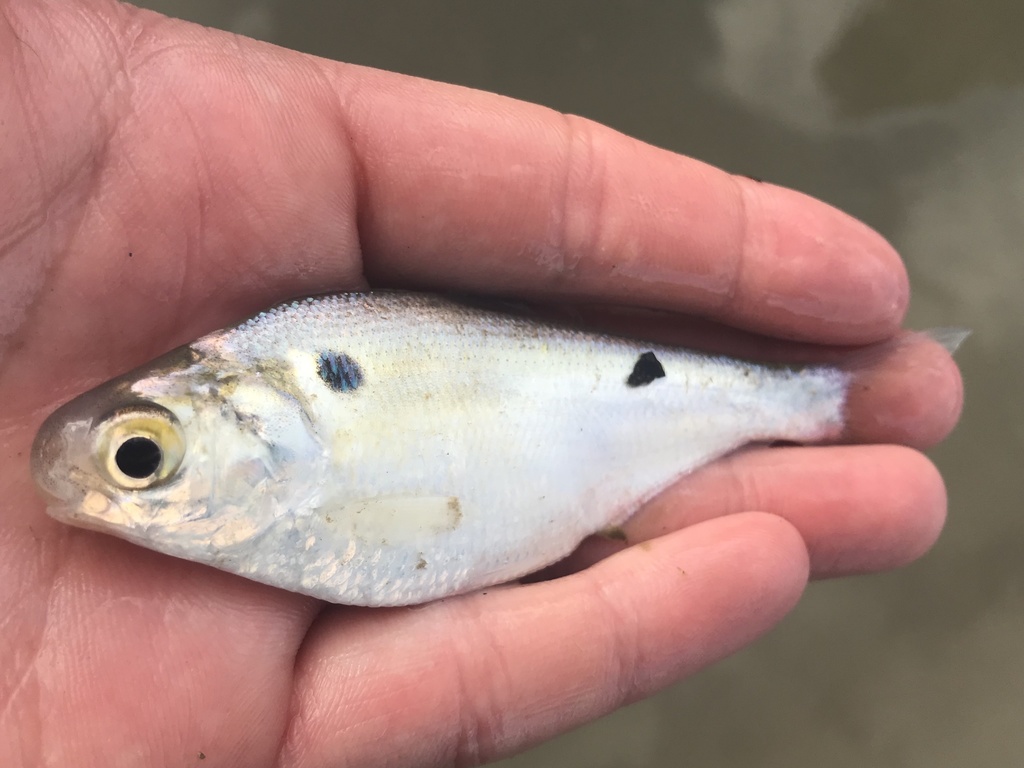
Identification and Features
The gizzard shad has a deep, laterally compressed body, small mouth, and blunt snout. A long last dorsal fin ray trails from its back—a feature shared with the threadfin shad.
Adults average 8–14 inches, though some reach 20. Scales are large and silvery with a pale belly. Inside, the species has a muscular gizzard-like stomach used to grind food, giving it its name.
Range and Habitat
Gizzard shad occur throughout the eastern and central United States, from the Great Lakes to the Gulf Coast, and west to Texas and Colorado. They prefer warm, slow, nutrient-rich waters such as lakes, reservoirs, and large rivers.
Their tolerance for low oxygen and murky conditions allows them to thrive where many fish cannot, often dominating reservoir fish communities.
Life Cycle and Spawning
Spawning occurs each spring when water temperatures reach 65–70°F (18–21°C). Adults gather in shallow coves or shorelines. Females release thousands of adhesive eggs that stick to vegetation or rocks.
The species provides no parental care. Eggs hatch in a few days, and young feed on plankton. Juveniles grow fast and form large schools that feed predators like bass and catfish through summer and fall.
Feeding and Ecological Role
Juvenile gizzard shad eat zooplankton. Adults switch to phytoplankton and detritus, using fine gill rakers and a muscular stomach to process organic matter.
This feeding behavior recycles nutrients within lakes and rivers, moving energy from microscopic life to larger fish. It also stirs bottom sediments, sometimes causing turbidity and algae blooms when populations grow too large.
The gizzard shad thus acts as both nutrient recycler and ecosystem regulator, helping sustain productivity while occasionally challenging water quality.
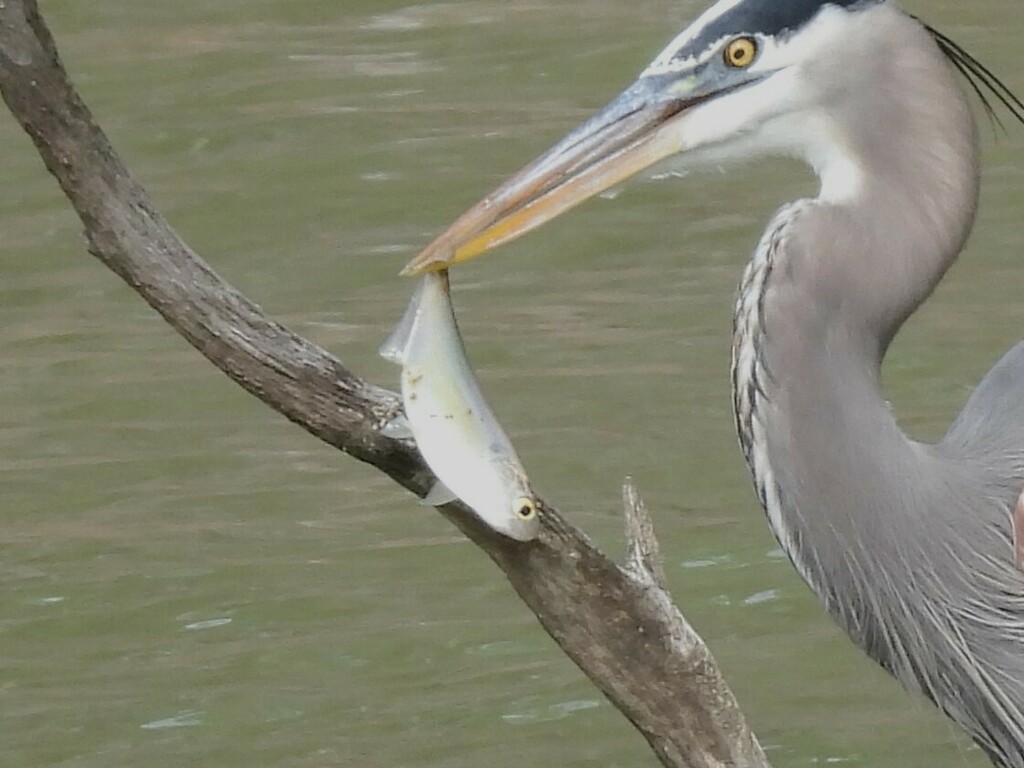
Food Web Importance
Few species support freshwater predators as much as the gizzard shad. Bass, walleye, catfish, crappie, and striped bass all feed heavily on young shad. A strong shad spawn often leads to productive fishing seasons.
When adults grow too large for predators to eat, they can dominate the ecosystem, reducing available plankton and outcompeting smaller forage fish. Fisheries managers monitor shad closely to maintain balance between prey and predators.
Management and Control
State agencies use several strategies to manage gizzard shad:
- Stocking predatory fish such as striped or hybrid bass
- Improving habitat to favor balanced food webs
- Adjusting nutrients to limit algae growth linked to overabundant shad
In some waters, gizzard shad are introduced to improve forage for sport fish. In others, managers limit their spread to prevent ecological imbalance. The goal is always equilibrium between energy recycling and water clarity.
Conservation and Outlook
The species is abundant and secure across its range. It adapts well to reservoirs and changing conditions.
Still, warming temperatures and shifting rainfall could expand its range northward, changing predator-prey dynamics. Researchers continue to track these trends to understand their effects on water systems.
Conclusion: A Foundation of Freshwater Life
The American gizzard shad may not draw attention, but it holds lakes and rivers together. It feeds predators, recycles nutrients, and signals the health of entire ecosystems.
Catching one first taught me that even the smallest fish can shape an entire world beneath the surface.
Frequently Asked Questions (FAQs)
1. What is the scientific name of the gizzard shad?
Dorosoma cepedianum.
2. Where do they live?
In lakes, rivers, and reservoirs across most of the eastern and central United States.
3. What do they eat?
Young shad eat zooplankton; adults feed on algae and detritus.
4. Why are they important?
They provide food for predators and recycle nutrients that sustain ecosystems.
5. Are they edible?
They can be eaten but are bony and oily, so most anglers use them as bait.
6. How do they spawn?
In spring, females release sticky eggs in shallow water that hatch within days.
7. Can they harm a lake?
Yes. Large populations can increase turbidity and algae growth.
8. What fish eat them?
Bass, catfish, crappie, walleye, and striped bass feed on young shad.
9. How long do they live?
Usually 4–6 years.
10. Are they native or introduced?
They’re native to North America but have been introduced to many reservoirs.
