Where the Next U.S. National Park Might Emerge
Guessing the next national park is a pastime for policy nerds and trail nerds alike. Congress doesn’t hand out the title on scenery alone; it takes politics, persistence, and a bit of luck. A few places, though, are closer to the finish line than most.
Ocmulgee Mounds, Georgia
Ocmulgee has been a national monument since the 1930s and more recently a national historical park. The Muscogee (Creek) people continue to advocate for stronger protection of this river valley, which holds thousands of years of history. Bipartisan bills to create Ocmulgee Mounds National Park and Preserve are already on the Hill; Georgia would finally get its first national park. Visitation has steadily increased, adding weight to the campaign.

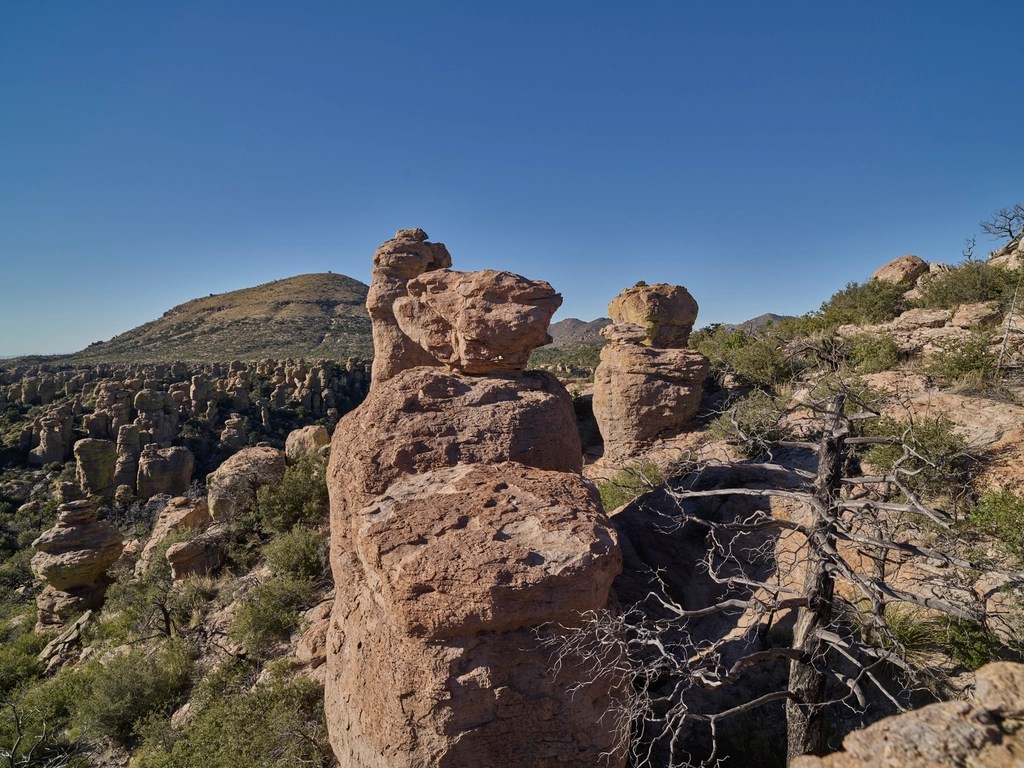
Chiricahua, Arizona
Known as the “Wonderland of Rocks,” Chiricahua has been protected as a national monument for nearly a century. Its landscape of rhyolite pinnacles and balanced rock formations is unlike any other unit in the system. Local leaders in Arizona have pushed for an upgrade to national park status, citing the potential for tourism revenue; federal lawmakers have shown bipartisan interest. The fact that it is already federally managed makes the case even stronger.
Rim of the Valley, California
The Rim of the Valley Corridor proposal would link 300,000 acres of mountains, canyons, and oak woodlands around Los Angeles to the existing Santa Monica Mountains National Recreation Area. The National Park Service completed its resource study years ago, and environmental groups remain committed. The challenge lies in the complex mix of jurisdictions and private parcels; despite those hurdles, its proximity to millions of residents and proven visitor demand keep it near the top of the list.
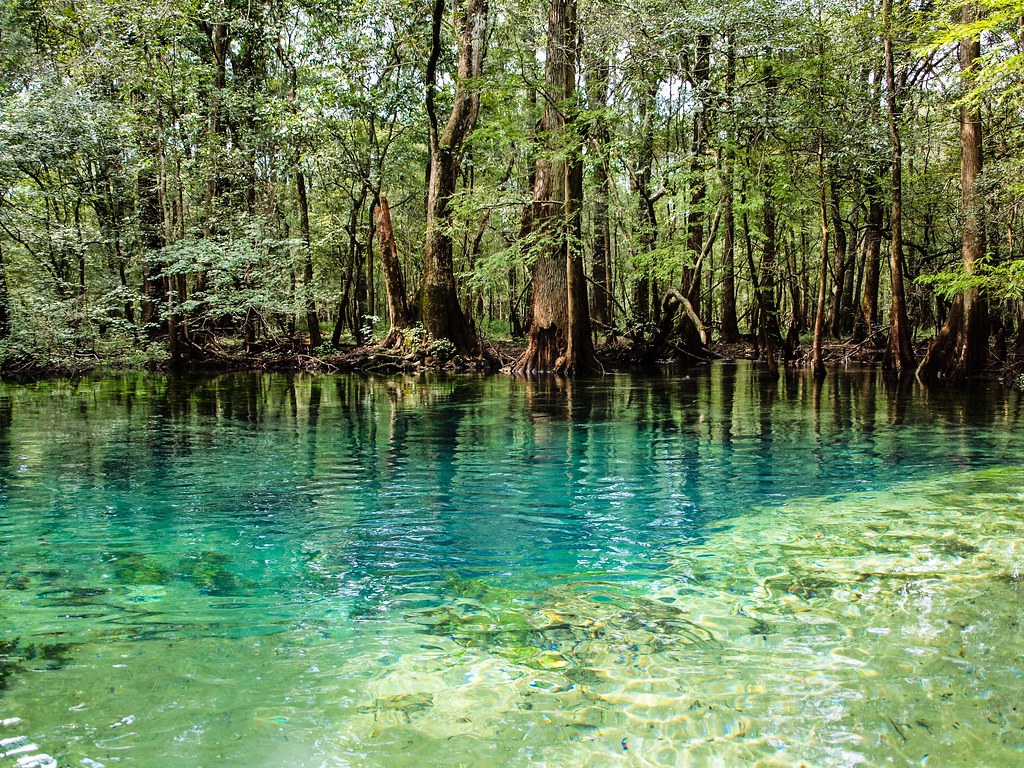
Florida’s Springs
Florida’s freshwater springs—places like Silver Springs and Wakulla—are ecological treasures. They support manatees, ancient cypress swamps, and some of the clearest water in the country. Lawmakers have introduced bills to study the possibility of a Florida Springs National Park. The difficulty is that much of the land is state-managed or privately owned; federal designation would be complicated. Still, the concept continues to attract attention, particularly as aquifer health becomes a pressing issue.
The Great Rivers, Illinois & Missouri
At the confluence of the Mississippi, Missouri, and Illinois rivers, local advocates have pitched the idea of a Great Rivers National Park. The area already draws birders and river enthusiasts, and the landscape has undeniable national significance. County governments and private landowners remain divided; a National Heritage Area or recreation corridor may be a more realistic first step.
The Urban Wild Cards
Sites like Governors Island in New York Harbor demonstrate how urban landscapes can become strong contenders for national park status. The island is federally owned, already open to visitors, and has the kind of accessibility that makes national park branding a political and logistical win. Other city-based monuments and recreation areas could see similar momentum.
