Physical Description
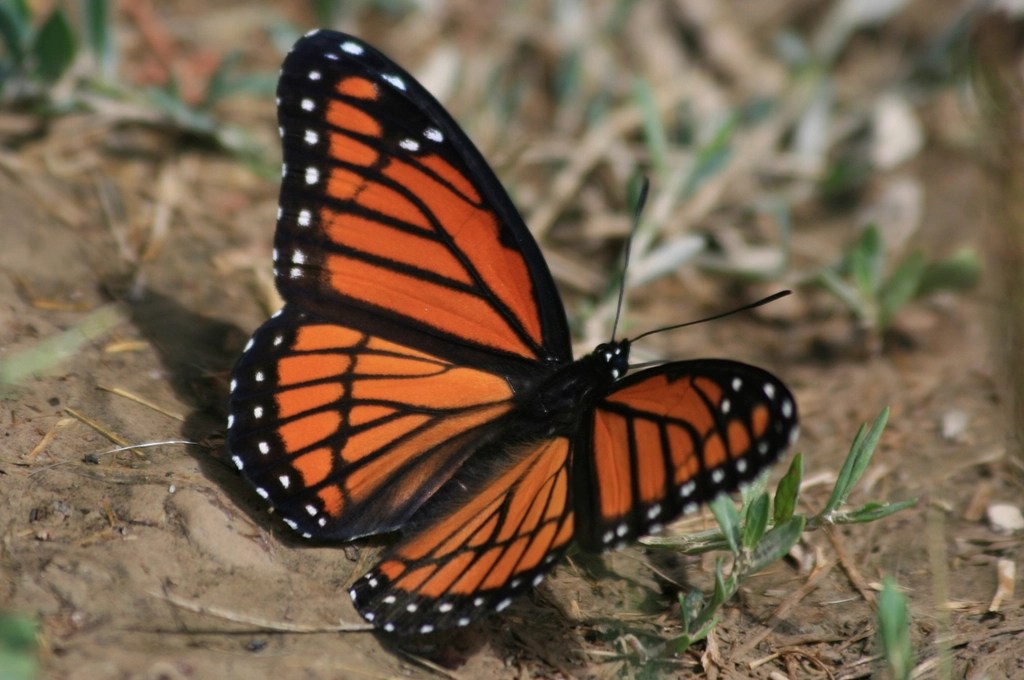
Monarchs (Danaus plexippus) are renowned for their vibrant orange wings, marked with black veins and bordered by white spots. Their wingspan ranges from 3.5 to 4 inches (8.9 to 10.2 cm), and their coloration warns predators of their toxicity, which they acquire by feeding on milkweed as larvae. This defense strategy is a classic example of Müllerian mimicry, shared with other unpalatable species like the viceroy butterfly. For more on monarch butterfly adaptations see this species overview.
Life Cycle
The monarch life cycle includes four stages: egg, larva (caterpillar), pupa (chrysalis), and adult. Females lay eggs singly on the underside of milkweed leaves, often laying hundreds in their lifetime. After hatching, the larva consumes milkweed exclusively, building up protective toxins. The caterpillar molts four times before transforming within a chrysalis, emerging as an adult after 8–15 days. Most summer monarchs live only a few weeks, but late-season butterflies prepare for migration by delaying maturity. A full breakdown can be found in this guide to monarch biology.
Migration
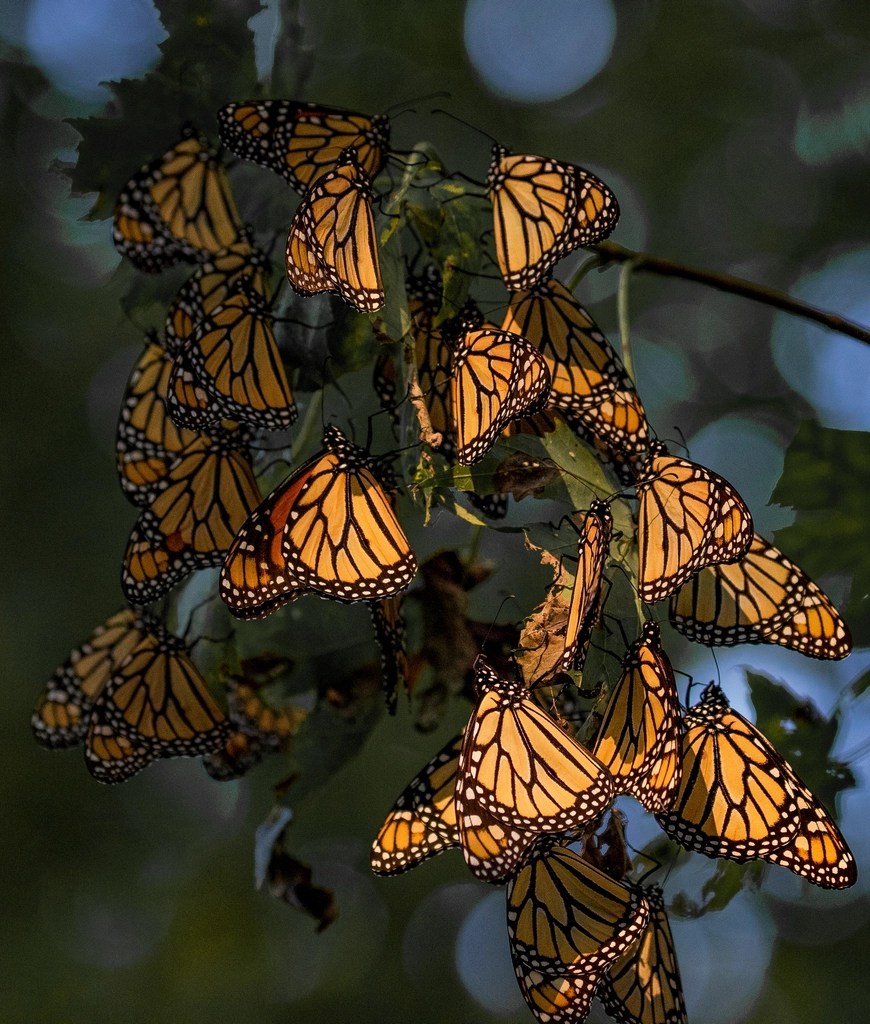
Monarch butterfly migration is one of the world’s marvels. Each autumn, eastern monarchs travel from northern and central United States and southern Canada up to 3,000 miles to overwintering sites in central Mexico, congregating by the millions in oyamel fir forests. Western populations migrate to coastal California. Monarchs use environmental cues such as sunlight and temperature to navigate, and while no individual butterfly completes the round-trip journey, several generations are connected in this cycle. Learn more about this long-distance migration.
Conservation and Importance
Monarch numbers are threatened by habitat loss, pesticides, and a declining abundance of milkweed. Conservation efforts are underway to restore milkweed habitats, safeguard overwintering sites, and reduce chemical risks. Discover more about monarch conservation.
