The Ecosystem Services of Sand Dunes
Long, sweeping panoramas of windswept grasses by the sea, soft golden shapes contributing to the stereotypical tranquil coast scene. If you take a closer look at the landscape however, you’ll quickly discover that sand dunes are more than backdrops beach outings; in fact, they play a vital role in maintaining the health of our coastlines and supporting wildlife and human communities in more ways than you realize.
Coastal Protection
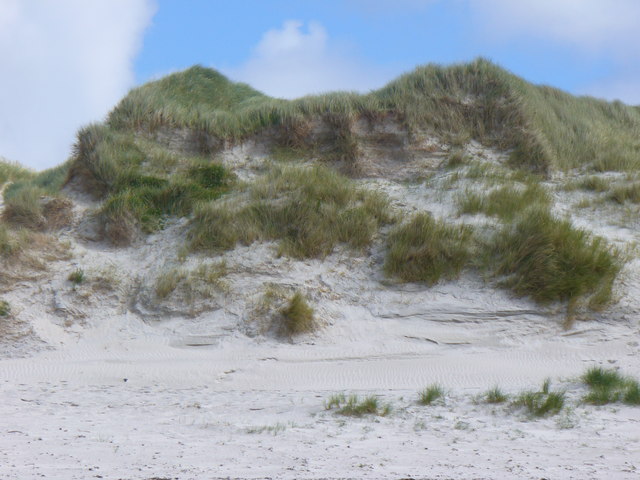
Probably the single most important job done by sand dunes for humans is their work as defenders of our coastlines. Dunes absorb the impact of storm surges and buffer inland areas from flooding, which is sometimes the difference between safety and disaster for communities along the shore. This is unlikely to continue forever, as recent research has revealed that in the United Kingdom alone, intense storms combined with a rising sea have caused dunes to retreat by as much as 15 meters in just 15 years, sharply illustrating how dynamic and vulnerable these systems really are.
Biodiversity Hotspots: Where Life Adapts and Thrives
Look through any undisturbed sand dune and, if you look closely, you’ll find a diverse tapestry of life. Dune grasses such as Calamagrostis arenaria (European marram grass) and Uniola paniculata (sea oats) hold loose sands together with their sprawlingroot systems, while tiny, uncommon residents like Lacerta agilis (Sand Lizard) or Epidalea calamita (the natterjack toad) burrow and hunt in the shifting microclimates. In North America, Charadrius melodus (piping plover), a small, pale shorebird, nests almost exclusively in the open sands and sparse vegetation of these habitats, relying on undisturbed dunes for its survival. Many European sand dunes are so revered for their biodiversity that they’ve been named Special Areas of Conservation, and in Hawaii, the ongoing restoration of native plants such as Scaevola taccada (naupaka kahakai) and Vitex rotundifolia (beach vitex) have been directly linked to comebacks by endangered seabirds such as Himantopus mexicanus knudseni (Hawaiian stilt).
Climate Champions: Storing Carbon and Supporting a Stable Planet
It’s easy to forget that sand dunes, with their often low and scruffy vegetation, can play any part at all in the fight against climate change. But research shows that dune plants and their soils do indeed store carbon, and by keeping these systems healthy and allowing native vegetation such as dune grasses, Lathyrus japonicus (beach pea), and Ericameria ericoides (California goldenbush) to flourish, we’re giving nature a quiet but significant ally in sequestering carbon and reducing greenhouse gases.
Community and Economic Benefits: Nature’s Return on Investment
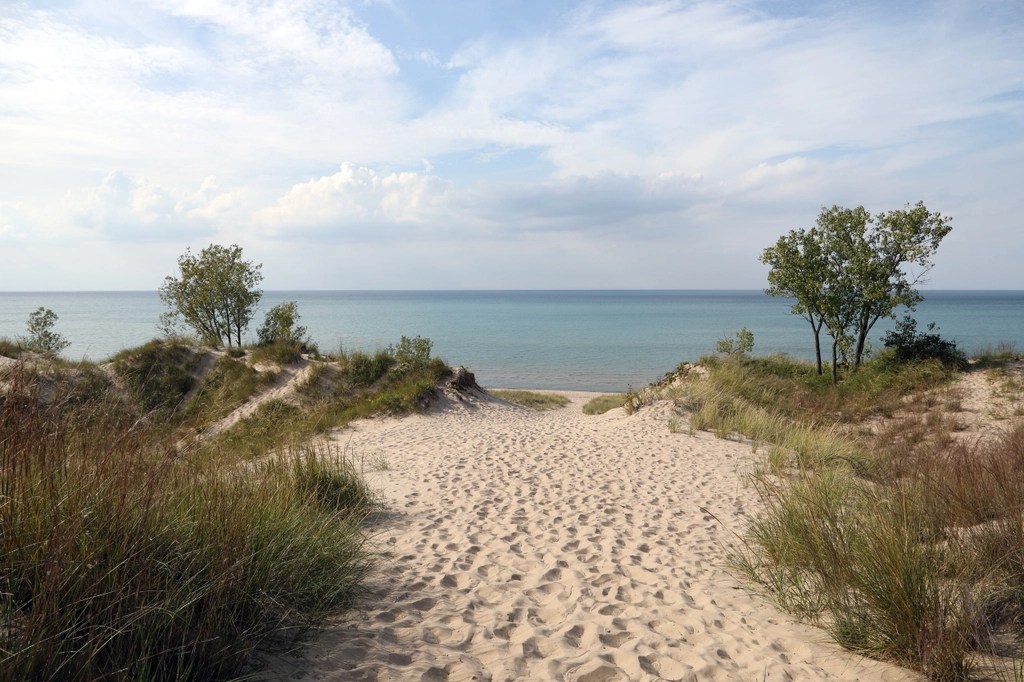
Sand dunes aren’t just for plants and animals—they draw people too (have you ever seen Indiana Dunes?), and for good reason. All these people help drive local tourism, providing an important economic lifeline for many coastal communities. In addition, sand dunes help to boost the value and safety of nearby real estate, acting as a natural insurance policy against costly erosion and storm damage that might otherwise threaten homes and businesses.
Natural Water Filters: Keeping Our Coasts Clean
Most people have no idea that sand dunes quietly act as natural purifiers, filtering rainwater as it seeps through the layers of sand and plant roots. This process traps pollutants and helps recharge underground aquifers with cleaner, fresher water, supporting ecosystems further inland and improving the overall health of coastal waters. Their role as nature’s buffer strip means they also catch nutrients and sediment that run off the land during storms, which in turn helps to keep our seas and estuaries cleaner for both wildlife and recreation.
Conclusion: Cherishing and Defending our Sand Dunes
At the end of the day, the benefits sand dunes offer reach far beyond their scenic charm. They shield us from storms, provide a home to rare and fascinating species, help regulate our climate, clean our water, and offer moments of recreation and awe. As our world continues to change and our coasts face new challenges, valuing and restoring these remarkable landscapes will remain vital to both the communities who live by the sea and all the life that calls these sands home.
