How Much Impact Does a Reusable Water Bottle Actually Make? A Look at 1, 5, and 10 Years
If you’ve ever wondered whether carrying around a reusable water bottle really makes a difference, you’re not alone. With so many plastic bottles being used every day, it’s easy to feel like one person’s effort doesn’t matter.
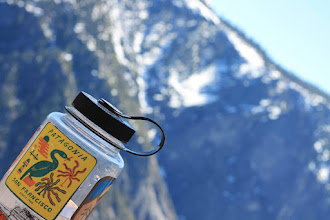
But the numbers tell a different story. Even just one reusable bottle, used consistently, can make a big impact over time. Let’s break it down and look at what happens when you stick with your reusable bottle for one year, five years, and ten years—along with some real data to back it all up.
Why It Matters: The Problem With Disposable Bottles
Let’s start with the basics. Every year, Americans buy around 50 billion plastic water bottles. That averages out to about 13 bottles per person per month, or roughly 4 bottles per week for regular bottled water drinkers. (Container Recycling Institute)
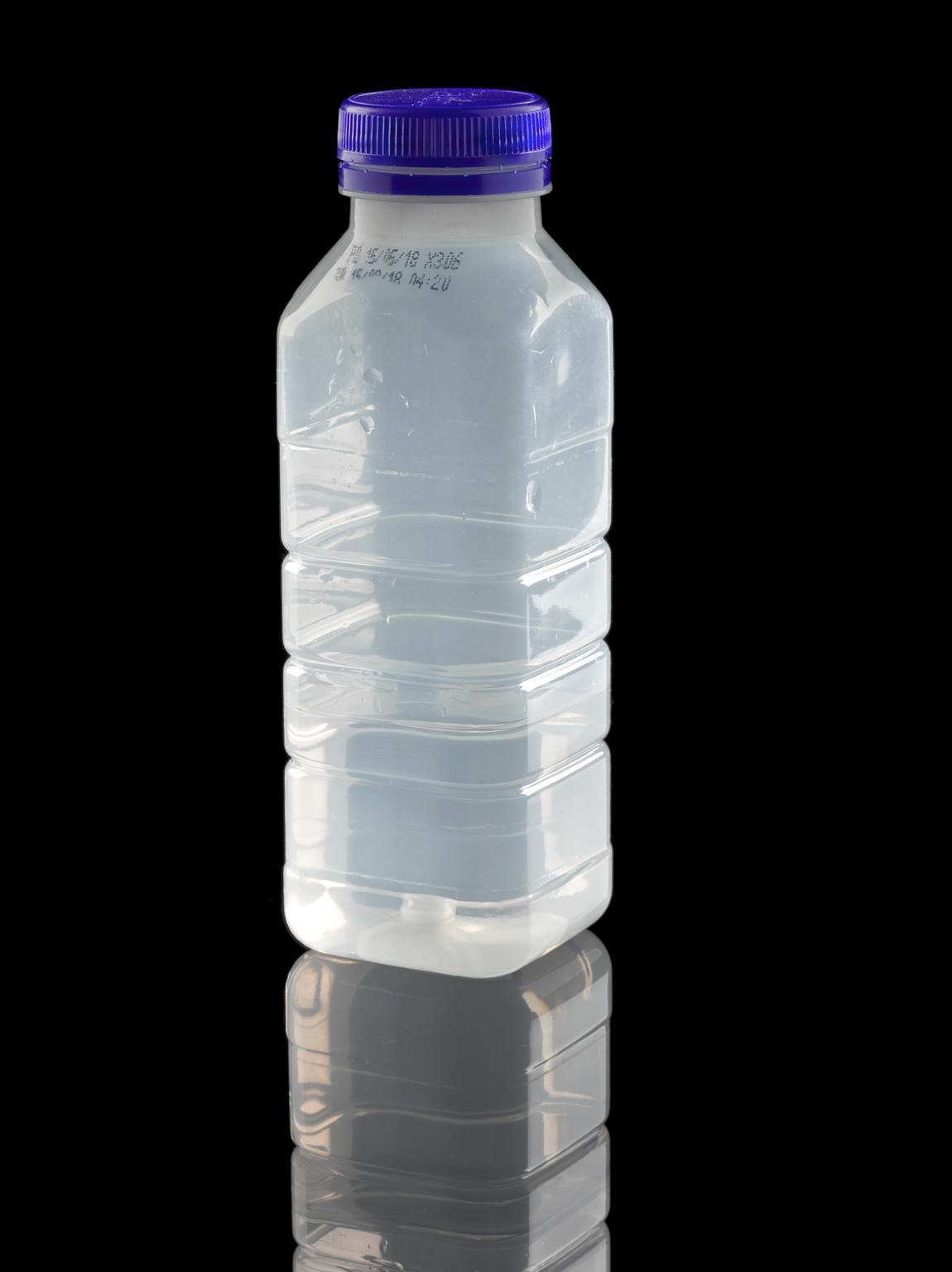
Bottle of Zamzam Water by Shayma Zaman is licensed under CC-BY-NC-SA 4.0
Globally, it’s even more staggering. According to a report by The Guardian, we buy more than 1 million plastic bottles every minute, and less than 30% of them are recycled.
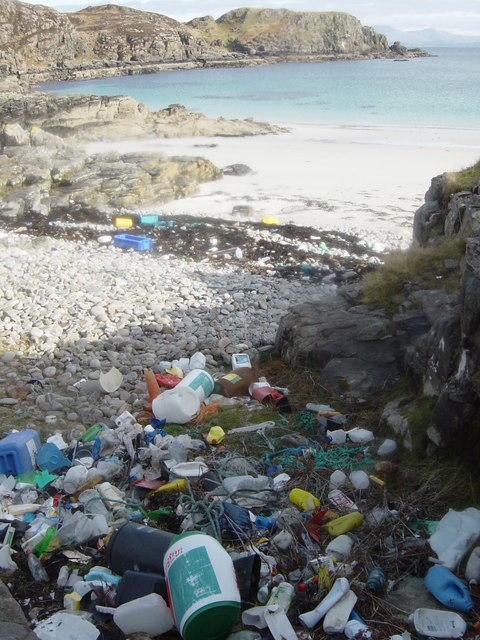
Most of the rest end up in landfills, burned, or worse—floating in our oceans or breaking down into microplastics that contaminate ecosystems and even the food we eat.
What We’re Measuring (And Where the Numbers Come From)
Here’s what we’ll use to calculate the impact of using a reusable water bottle:
- Plastic bottles avoided per year: 208 (4 per week)
- Weight of a single plastic bottle: About 20 grams (0.02 kg)
(Plastic Technologies, Inc. and the Association of Plastic Recyclers) - Carbon emissions per bottle: Around 82.8 grams CO₂
(Based on a Pacific Institute report by Gleick & Cooley, 2009, which includes production and transport) - Reusable bottle lifespan: At least 10 years with good care
(Manufacturers like Nalgene and Hydro Flask support this) - Water used to produce each plastic bottle: About 3 liters
(From World Wildlife Fund and Pacific Institute estimates) - CO₂ equivalencies: From the EPA Greenhouse Gas Equivalencies Calculator
After 1 Year of Using a Reusable Bottle
- Plastic bottles avoided: 208
- Plastic waste prevented: 208 × 0.02 kg = 4.16 kg (about 9 pounds)
- CO₂ emissions avoided: 208 × 82.8 g = 17.2 kg CO₂
That’s about the same carbon footprint as driving a gas-powered car for 43 miles or charging your phone over 2,100 times.
After 5 Years
- Plastic bottles avoided: 1,040
- Plastic waste prevented: 20.8 kg (46 pounds)
- CO₂ emissions avoided: 86.1 kg CO₂
That’s like the emissions from burning about 9 gallons of gasoline or the amount of CO₂ one tree can absorb in a year.
After 10 Years
- Plastic bottles avoided: 2,080
- Plastic waste prevented: 41.6 kg (almost 92 pounds)
- CO₂ emissions avoided: 172.2 kg CO₂
That’s the same as the annual carbon absorption of three mature trees or charging your phone over 21,000 times.
And this doesn’t even include the 6,240 liters of water saved from not having to produce all those plastic bottles. That’s enough to fill 39 bathtubs or provide clean drinking water for one person for nearly nine years.
It’s Not Just About Carbon
Avoiding plastic bottles also means fewer microplastics entering waterways and oceans. It means fewer animals mistaking plastic for food. It reduces pressure on the energy systems used to produce and transport disposable packaging.
And let’s not forget the cost. If you typically spend $1 per bottle, using a reusable one instead could save you over $2,000 over 10 years. That’s a meaningful benefit for your wallet as well as the planet.
What If More People Did This?
If just 1% of the U.S. population—about 3.3 million people—used a reusable bottle for 10 years, we’d avoid:
- 6.86 billion plastic bottles
- 137,000 metric tons of plastic waste
- Over 567,000 metric tons of CO₂ emissions
That’s equivalent to taking more than 100,000 cars off the road for a full year.
Bottom Line
Using a reusable water bottle might feel like a small thing, but it adds up quickly. Over time, it reduces waste, cuts emissions, saves water, and helps protect ecosystems—all without requiring any major lifestyle changes.
So the next time you reach for your reusable bottle, know that it’s more than just a good habit. It’s a powerful way to help the planet, one sip at a time.
