Have you ever wandered into the woods and spotted a mushroom poking through the leaf litter on the forest floor? If you have, one of your first thoughts was likely “Can I eat that?” If so, you’re not alone—and you’ve stumbled onto something ancient, satisfying, and still very much in style.
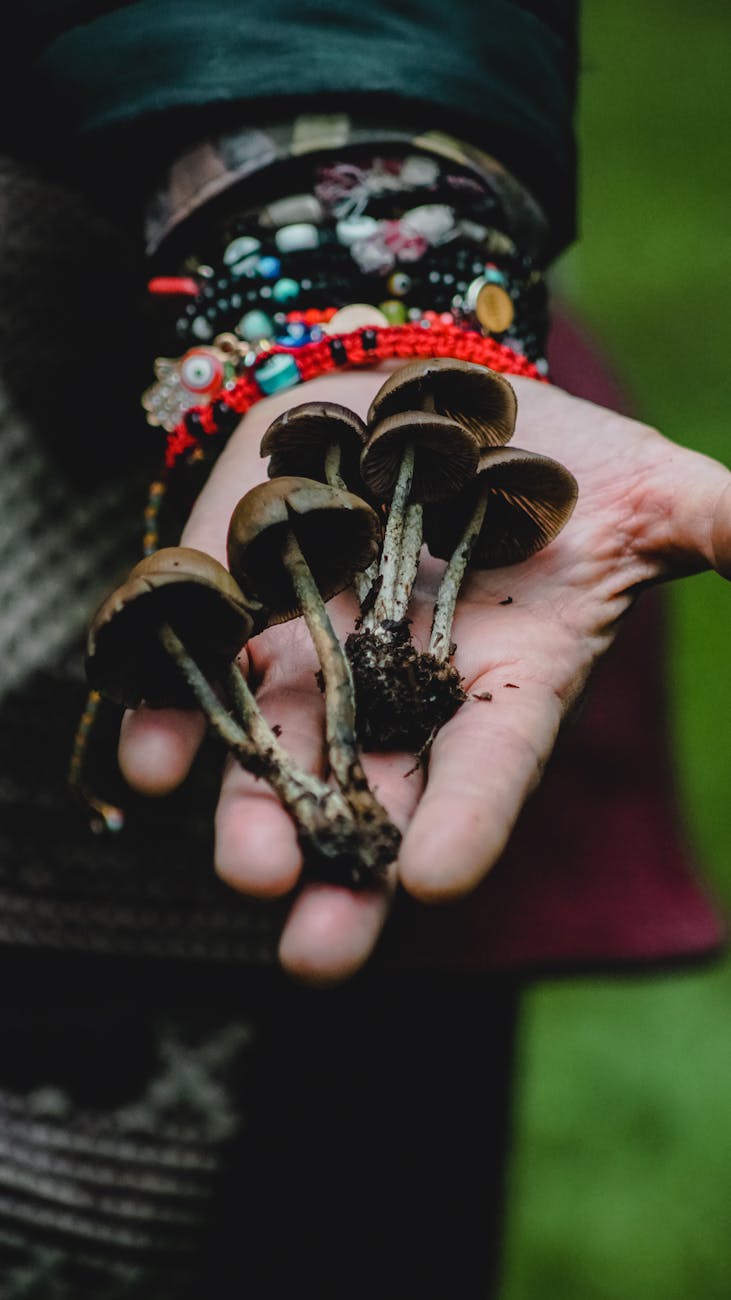
Photo by Marco Carmona on Pexels.com
So, what is foraging?
Foraging is the simple act of gathering food straight from the teat of nature. When it comes to mushrooms, foraging means learning to spot, identify, and safely pick wild fungi that grow naturally in forests and fields.
Why Bother Foraging Mushrooms?
Mushroom hunting can be about much more than just food—it can also be about connection to nature. Here’s why so many people fall in love with it:
- Flavor & Nutrition: Wild mushrooms like morels and chanterelles have rich, earthy flavors and nutrients you won’t find in most store-bought varieties.
- Learning the Land: Foraging teaches you how ecosystems work—from how trees and soil interact to which fungi pop up in which season. It’s hands-on ecology, and you’ll never look at a forest the same way again.
- The Thrill of the Hunt: There’s something magical about spotting a cluster of edible mushrooms hidden under leaves. It’s like nature’s very own scavenger hunt.
Easy-to-Spot Mushrooms for Beginners
If you’re just getting started, here are some beginner-friendly mushrooms that are widespread and easier to identify (but still, ID with care!):
- Morels (Morchella spp.):
These honeycombed mushrooms pop up in spring and taste earthy, nutty, and rich. - Chanterelles (Cantharellus spp.):
Golden, trumpet-shaped mushrooms with a light apricot scent. Amazing sautéed with butter or cream. - Chicken of the Woods (Laetiporus spp.):
Bright orange shelf-like clusters. They’re meaty and do actually taste like chicken. - Puffballs (Lycoperdon spp. and others):
These round, white mushrooms appear in late summer and fall. When young and fresh, their texture is soft and creamy, with a mild, delicate flavor that’s slightly nutty and buttery.
Important safety tip:
Even experienced foragers can get tripped up. Some edible mushrooms have dangerous look-alikes. If you’re not 100% sure what you’ve found, don’t eat it. When in doubt, toss it out.
How to Forage Mushrooms Safely
1. Learn from Local People Who Know Their Stuff
Join a local mushroom club, go on a guided foray, or take a class. Books are great, but real-life experience is gold.
2. Carry a Good Field Guide
Choose one that’s specific to your locality—it’ll help you learn the unique mushrooms in your area, including how to spot look-alikes.
3. Take Notes and Snap Photos
Write down what trees are nearby, what the ground’s like, and when you found the mushroom. Over time, you’ll build your own ID skills.
4. Skip Mushy or Damaged Mushrooms
They can carry bacteria or toxins. Only harvest mushrooms that are fresh and firm.
5. Double-Check Everything
Think you’ve got a chanterelle? Great—but confirm it with your field guide, a mushroom ID app, and maybe a more experienced forager, too.
Forage with Care for the Planet
Being a good forager means thinking long-term:
- Harvest mindfully: Only take what you’ll use. Leave enough behind so the mushrooms can reproduce and others can enjoy.
- Respect the environment: Watch your step and don’t stomp through delicate forest floors or tear up mossy areas.
- Leave no trace: Stay on trails, don’t leave trash, and treat nature like you’d want your favorite campsite treated.
The deeper you get into foraging, the more you’ll start to care about conservation. Many mushroom hunters become forest stewards along the way.
Final Thoughts: Foraging Is More Than Finding Food
At its core, foraging isn’t just about mushrooms—it’s about slowing down, paying attention, and reconnecting with the wild world around you.
So next time you’re out in nature, take a look down. That strange mushroom might be your next delicious discovery—or at least a chance to learn something new.
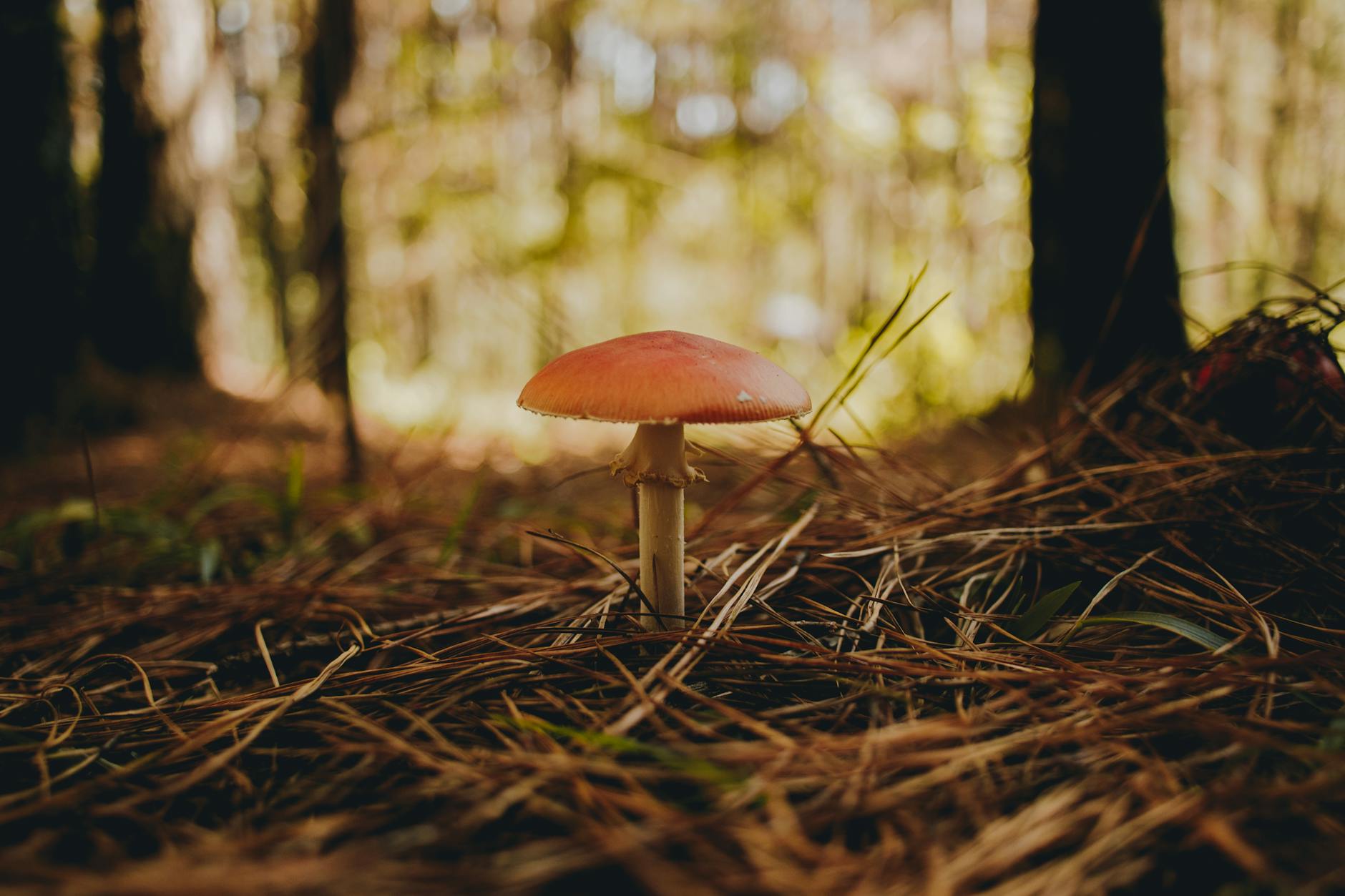
Photo by Jou00e3o Vu00edtor Heinrichs on Pexels.com
Stay curious, stay safe, and happy hunting!
-Nevett
