Trapped in the Wild: The Poaching Crisis Facing the Venus Flytrap
The Venus flytrap (Dionaea muscipula) is one of the most iconic and fascinating plants on Earth. Known for its rapid snap-trap mechanism and carnivorous diet, this species is native only to a small region in the southeastern United States. Specifically, it grows naturally within a 90-mile radius of Wilmington, North Carolina, in the nutrient-poor, fire-dependent wetlands of the coastal Carolinas.
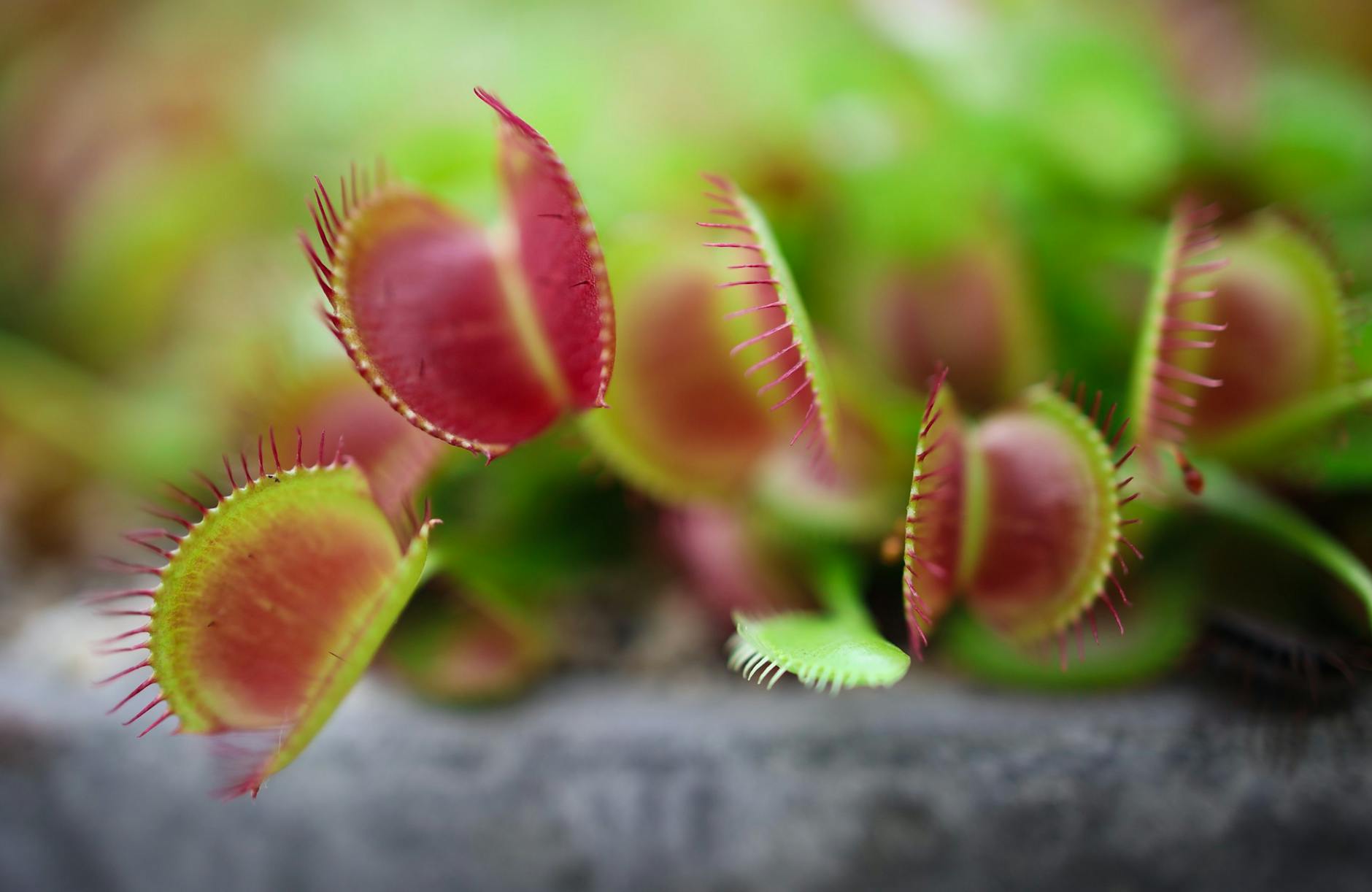
Despite its popularity as a houseplant, the Venus flytrap is under severe threat in the wild. Habitat loss, fire suppression, and poaching have led to a dramatic decline in its natural populations. Estimates suggest that only about 35,000 plants remain in the wild, a significant decrease from historical numbers.
The Threat of Poaching
Poaching poses a significant risk to the survival of the Venus flytrap. Collectors illegally harvest these plants from protected areas to sell them on the black market, where they can fetch higher prices than legally cultivated specimens. In some cases, poachers have been found with hundreds of plants in their possession, highlighting the scale of the issue.
In response to this threat, North Carolina enacted legislation in 2014 making it a felony to poach Venus flytraps. This law aims to deter illegal harvesting by imposing stricter penalties on offenders.
Concrete Cases and Consequences
1. The 2015 Holly Shelter Game Land Incident
In January 2015, wildlife officer Fred Gorchess apprehended four men at the Holly Shelter Game Land in Pender County with 970 Venus flytraps in their possession. This marked the first felony charges under the new law. Each plant taken is considered an individual offense, and the suspects faced up to 29 months in prison and fines if convicted.
2. The 2016 Conviction of Paul Simmons Jr.
In July 2016, 23-year-old Paul Simmons Jr. was sentenced to six to 17 months in prison after being found guilty of stealing nearly 1,000 Venus flytrap plants from public game lands. This case underscored the seriousness with which North Carolina treats such offenses.
3. The 2019 Arrest of Archie Lee Williams Jr.
In March 2019, Archie Lee Williams Jr. was arrested with more than 200 Venus flytraps and charged with 73 felony counts of taking the plants. His bond was set at $750,000, reflecting the gravity of the crime.
4. The 2024 Boiling Spring Lakes Case
In March 2024, authorities obtained arrest warrants for two individuals accused of stealing nearly 600 Venus flytraps from conservation land in Boiling Spring Lakes. The suspects were stopped at a local gas station, and officers found the plants in their backpacks.
Impact on the Plant
Poaching not only reduces the number of Venus flytraps in the wild but also disrupts their reproductive cycle. Poachers often target mature plants, which are the primary seed producers. Removing these plants hampers the species’ ability to regenerate and maintain healthy populations.
Conservation Efforts
Conservationists and law enforcement agencies are working together to protect the Venus flytrap. Efforts include habitat preservation, public education, and enforcement of anti-poaching laws. Organizations like the U.S. Fish and Wildlife Service are also evaluating the plant’s status for potential listing under the Endangered Species Act, which would provide additional federal protections.
How You Can Help
- Purchase Responsibly: Only buy Venus flytraps from reputable nurseries that propagate plants legally and sustainably.
- Report Suspicious Activity: If you witness or suspect poaching, report it to local authorities or conservation organizations.
- Support Conservation Organizations: Donate to or volunteer with groups dedicated to preserving native plant species and their habitats.
By taking these steps, individuals can contribute to the protection of the Venus flytrap and ensure that this remarkable plant continues to thrive in its natural habitat.
