The Venus Flytrap: A North Carolinian’s Wild, Wonderful Symbol of Home and Hope
Introduction
I first learned about the Venus Flytrap in the first grade, sitting cross-legged on the floor. Our teacher brought in a guest speaker who showed us a tiny green plant with scary toothy leaves that snapped shut when poked. I remember the feeling of awe in the room at the plant that ate bugs. As a kid from North Carolina, I was dumbfounded to learn this strange and alien-looking plant was from here, not some distant jungle. It left a weird little seed of pride in me which has definitely grown as I have gotten older.
Fast-forward a couple of decades, and the Venus Flytrap still holds that special flame for me. It’s more than just a unique plant, it’s a symbol of where I’m from. Native only to a small stretch of land in southeastern North Carolina (and part of South Carolina I regrettably admit,) this plant is ours. It represents resilience, mystery, and delicate beauty. And honestly, it breaks my heart how threatened it is.
Key Takeaways
- Venus Flytrap is native only to a small region around Wilmington, North Carolina.
- Carnivorous nature makes it one of the most fascinating plants on Earth.
- Conservation is critical due to threats like habitat loss and illegal poaching.
- You can help by supporting local conservation programs like NC Plant Conservation.
What Makes the Venus Flytrap So Special?
The Venus Flytrap isn’t just weird-looking—it’s weird in the best way possible. Known scientifically as Dionaea muscipula, it’s a carnivorous plant that’s evolved to trap insects, digesting them for nutrients. It’s also got only a small natural habitat (just a 60-mile radius around Wilmington, North Carolina.) From a scientific angle, it’s one of the few plants on Earth that moves within seconds. And from a cultural standpoint? Well, around here, it’s a quiet icon. Not flashy, not famous outside niche circles, but deeply rooted in the land and history of North Carolina.

Credit: ncwetlands.org
A Carnivorous Curiosity
The Venus Flytrap’s claim to fame is its jaw-like leaves that snap shut faster than you can blink. Trigger hairs on the inner surface of the leaf sense movement. If touched twice within 15 seconds the trap closes. This is an evolutionary trick to make up for the nutrient-poor soil of its native habitat. Remember the simple equation: Bugs = snacks = survival.
The Flytrap then secretes digestive enzymes and slowly absorbs the nutrients over about 5 to 12 days. Afterward, the trap reopens, ready and hungry for more. This level of biological precision is not only fascinating but almost unnervingly intelligent. The plant doesn’t waste energy snapping shut unless it’s fairly sure it has live prey.
The Venus Flytrap’s diet includes flies, spiders, ants, and other small insects. It’s a plant with a personality: calculated, patient, and ruthlessly effective.
A North Carolina Native
Here’s the wildest part: the Venus Flytrap is native to only a tiny slice of the planet. Specifically, it grows naturally in the wet pine savannas and bogs within about 60 miles of Wilmington, North Carolina.
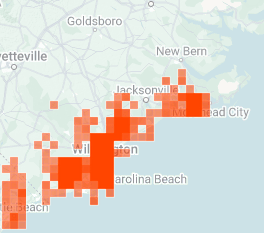
This ultra-specific habitat makes it especially vulnerable. Drainage of wetlands, urban development, and even poachers digging them up have all contributed to its rapid decline. And despite relatively famous in the plant world, the plant is still listed as vulnerable on the IUCN Red List.
It’s hard not to take that personally as a North Carolinian. This isn’t just any plant; it’s our plant. It’s a living emblem of our coastal ecosystem, and it deserves a lot more protection than it’s getting.
My First Encounter: Wonder in the Classroom
I still remember that moment in first grade like it happened last week. Our teacher stood at the front of the room explaining that plants can eat bugs. It felt like a prank. How could a plant eat an animal?
But then, my teacher carefully brushed the trigger hairs on one of the leafs and it snapped shut immediately. That’s the moment it hooked me. I asked a million questions and it felt like the entire concept of plants had been turned upside down in my head. That tiny, toothy looking plant was what began my fascination into the botanical world.
Learning that this bizarre organism was native to my home state made it feel like I had some larger connection with the plant as a North Carolinian. It planted the seed of pride and maybe a little responsibility. Even at that age, I could tell: this wasn’t something we could take for granted.
Why Conservation Matters More Than Ever
The Venus Flytrap may be clever and adaptable in the wild, but even this tiny carnivore has its limits. Despite its ability to snap shut incredibly quickly, it can’t protect itself from bulldozers, illegal harvesting, or a warming planet. Sadly, those are exactly the threats it’s facing—and it’s up to us to do something about it.
This section explores the main threats the plant faces and what local efforts (including ones you can support!) are doing to help.
Threats to the Flytrap
You’d think being fierce and carnivorous would help the Venus Flytrap survive anything. Unfortunately, it’s no match for bulldozers and poachers. The biggest threats include:
- Habitat destruction: As coastal North Carolina continues to develop, the boggy, nutrient-poor savannas that Flytraps need are disappearing.
- Poaching: Believe it or not, people dig up wild Flytraps to sell illegally. It’s a felony in NC, but it still happens.
- Climate change: Changes in rainfall and temperature are throwing off the delicate balance of its ecosystem.
All of this means the plant is now listed as “Vulnerable” globally, and much rarer then it once was in its natural NC habitat. If you think about it, it’s slightly ironic that such a strong little predator is so defenseless in the face of human influence.
Local Efforts and How You Can Help
Luckily, people are fighting back to help this mini-terror. Organizations like the North Carolina Plant Conservation Program are leading the charge to protect the Flytrap’s habitat, monitor wild populations, and enforce anti-poaching laws. Local land trusts are preserving boggy savannas and creating sanctuaries where the plant can thrive safely.
Here’s what you can do:
- Don’t buy wild-harvested plants—look for nursery-grown only
- Support local conservation efforts through donations or volunteer work
- Educate others—especially kids! (Hey, it worked on me.)
- Visit public gardens and preserves that protect Venus Flytraps in the wild
Protecting this plant isn’t only about biodiversity (though it is a major part)—it’s about identity, community, and honoring one of North Carolina’s most fascinating gifts to the world.
The Venus Flytrap as a Symbol
For me, the Venus Flytrap is way more than just a cool science anecdote or a temporary curiosity. It’s a living symbol of home, of resilience, of the weird and wonderful stuff that makes North Carolina filled with character. You won’t find it wild anywhere else in the world. That feels significant. Sacred, even.
It’s also symbolic of strength in unexpected forms. It’s small and delicate. But give it the right conditions and it’ll thrive by eating bugs, surviving harsh soils, outlasting storms. It’s a misfit, and that’s part of why I love it.
As a native North Carolinian, I see a bit of myself in it—and I bet a lot of us do. We’re rooted, adaptable, and a little wild when we need to be. In a world that often overlooks the quiet things, the Venus Flytrap is a reminder to pay attention. To protect what’s rare. And to be proud of where you come from.
Conclusion
The Venus Flytrap is more than a fascinating plant—it’s a unique, resilient part of North Carolina’s natural heritage. From learning about it in first grade to understanding its ecological importance today, my appreciation has only deepened. This little green predator has taught me that homegrown wonders are often the most extraordinary.
If you’re from North Carolina, the Flytrap is part of your story too. It deserves protection, respect, and a spotlight. Let it inspire you to look closer at the world around you—and maybe even get involved in conservation. Because in protecting this one small plant, we protect a symbol of our state’s soul.
FAQs
Where can I see Venus Flytraps in the wild?
You can find Venus Flytraps growing naturally in the wild within about 60 miles of Wilmington, North Carolina—mainly in boggy pine savannas and wetlands.
Is it legal to pick a Venus Flytrap from the wild?
Nope! In North Carolina, it’s illegal to harvest Venus Flytraps from the wild without a permit. Doing so is a felony, thanks to conservation laws.
Can I grow a Venus Flytrap at home?
Yes, you can! Just make sure it’s nursery-grown and not wild-harvested. They need distilled water, full sunlight, and nutrient-poor soil like sphagnum moss or peat.
Why does the Venus Flytrap eat insects?
Its native soil is low in nutrients, so it evolved to get extra nourishment by trapping and digesting insects—mostly ants, flies, and spiders.
How long does a Venus Flytrap live?
With the right care, a Venus Flytrap can live for 20 years or more. Some even go dormant in winter and bounce back each spring like champs.
How can I help?
Donate to Venus Flytrap Champions today!
