The Puffball Mushroom: Nature’s Marshmallow
Introduction
Puffballs are weird. They don’t look like typical mushrooms. Found in yards, woods, and trails after a good rain, these fungi look like something between a ping-pong ball and an alien egg coming straight out of the ground. If you grew up spending time outdoors there’s a good chance puffballs were your intro to the strange and wonderful world of wild mushrooms. Puffballs are hardy, and when young, surprisingly edible. Turns out, these squishy spheres have a lot to offer us.
Key Takeaways
- Puffball mushrooms are round, stemless fungi that can normally be found in forests, meadows, and yards.
- They release spores in a cloud when mature
- Young puffballs are edible and tasty when properly identified.
- Foraging safety is crucial—mistaking them for toxic lookalikes can be dangerous.
- Learn more from MushroomExpert.com for safe identification tips.
What Is a Puffball Mushroom?
To the untrained eye, puffballs hardly look like mushrooms. They’re round, soft, and often white or tan. Very different looking than the classic cap-and-stem silhouette most people associate with mushrooms. Make no mistake: puffballs are full-fledged fungi, and they’re found across North America in forests, grassy fields, and even suburban yards after rainy spells.
Appearance, Growth, and Species
Puffball mushrooms belong mostly to the Lycoperdon, Bovista, and Calvatia genera. The most famous is the Giant Puffball (Calvatia gigantea), which can grow to the size of a soccer ball (and sometimes even bigger!) Most puffballs, though, are much smaller, ranging from golf ball to baseball size.
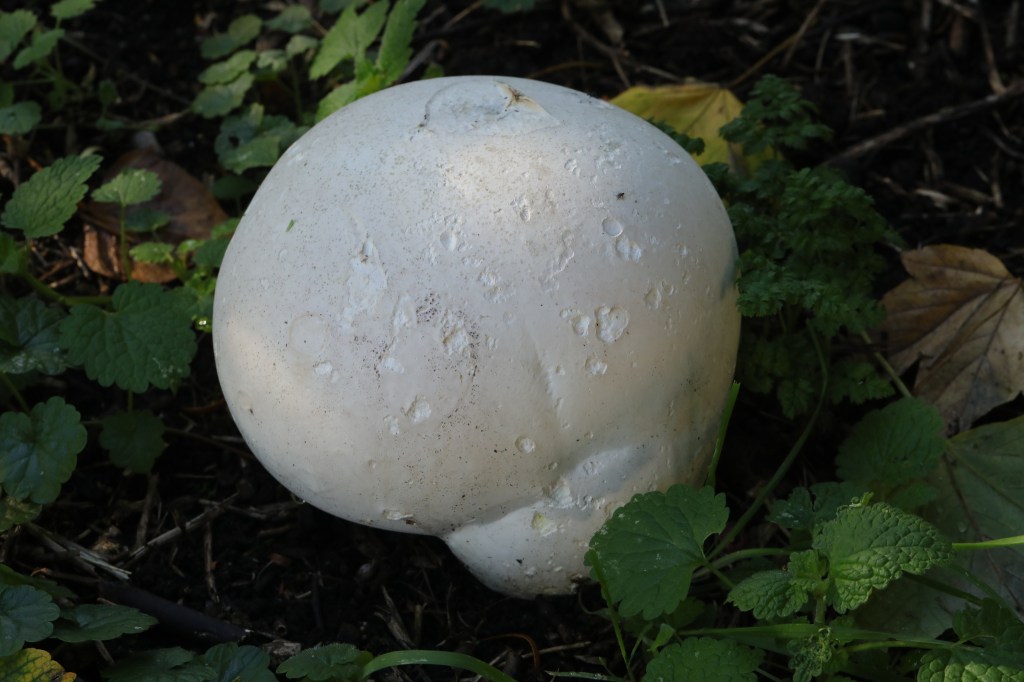
They usually pop up in late summer through fall. Young puffballs have firm, white flesh inside. That’s your clue they’re still fresh and possibly edible. Once they age, they turn yellowish or brown inside, full of powdery spores.
| Type | Size Range | Edibility |
|---|---|---|
| Giant Puffball | 6″–20″ or more | Edible when young |
| Common Puffball | 1″–3″ | Edible when firm |
| Earthballs | 2″–4″ | Not edible—toxic |
The Spore Explosion
Part of the puffball’s charm is that smoky little poof when you poke it. Mature puffballs develop a hole at the top, and when disturbed—by wind, rain, or a stray shoe—they shoot out spores in a puff of smoke.
This spore release isn’t just a fun trick. It’s how they reproduce. Each puff can contain millions of microscopic spores, which float through the air, hoping to land somewhere perfect for new growth.
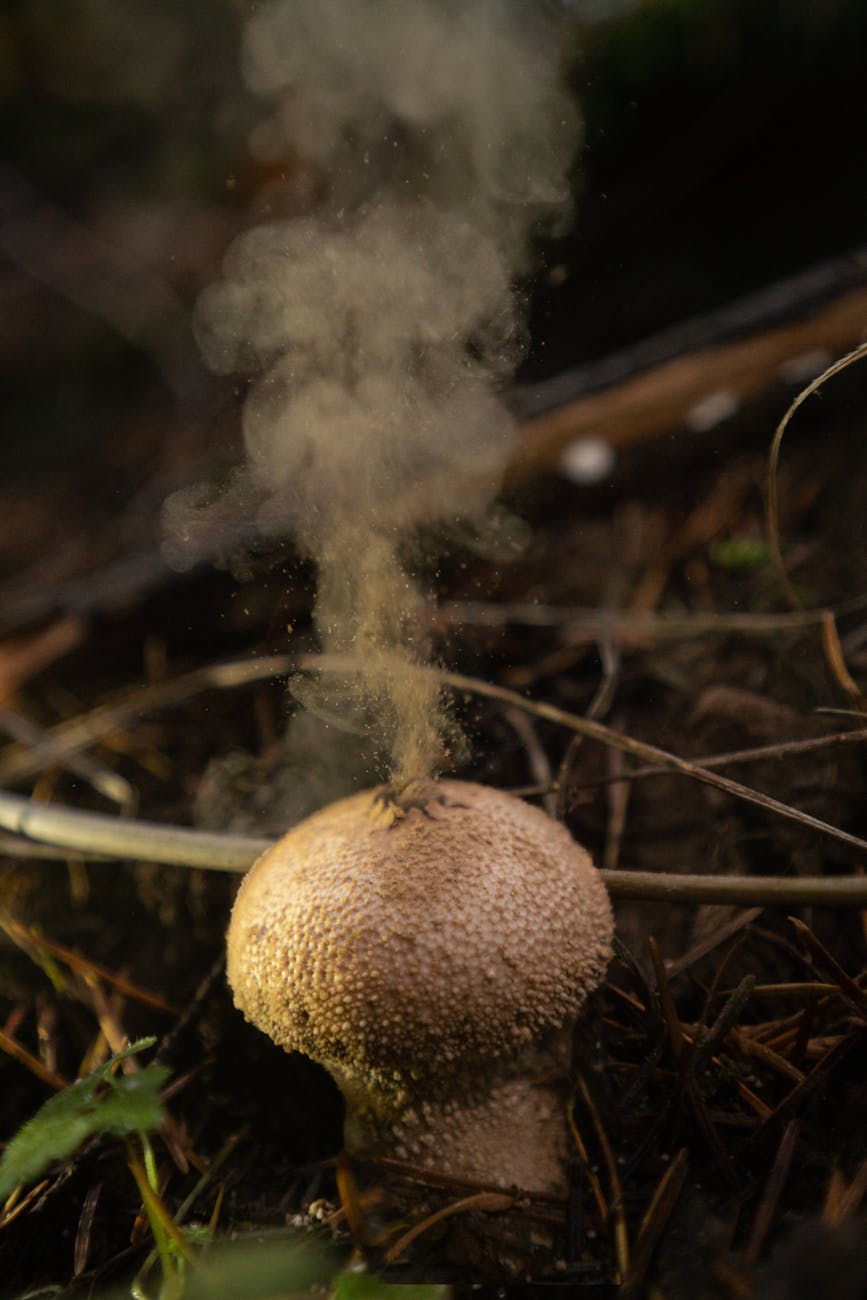
Photo by Elias Tigiser on Pexels.com
Foraging Puffballs: Tasty and (relatively) Safe
If you’ve ever tried your hand at foraging or been around the world of mycology, you’ve probably heard that puffballs are among the safest wild mushrooms to eat. However, you should only consume them if you know what you’re doing. That’s the key. Because while these fungi can be delicious when harvested young, they also have some sneaky toxic lookalikes. Let’s break it down.
Edibility and Cooking Tips
Young puffballs (when the inside is completely white and firm) are edible and surprisingly tasty. Think of them as a blank canvas for flavor—mild, a little nutty, and great when sautéed in butter, added to soups, or even sliced like tofu.
Pro tips for puffball prep:
- Only eat puffballs that are pure white inside—no discoloration or patterns.
- Peel the outer skin if it’s tough or dirty.
- Slice and cook them soon after harvest; they don’t store well.
One fun way to prepare them? Slice thick slabs, pan-fry, then drizzle with garlic and herbs. Some people even make “puffball parmesan,” like eggplant parm but mushroomy.
Puffball vs. Poison: Safety First
Here’s where it gets real: some young toxic mushrooms, like the deadly Amanita, can look like puffballs before their caps emerge. That’s a problem.
How to stay safe:
- Cut open every puffball. If you see any sign of a cap, gills, or stem structure inside then do not eat it.
- Stick to well-known, non-toxic species. Beginners should avoid smaller species that are harder to ID.
- When in doubt, consult a guide or expert. One of the best resources online? MushroomExpert.com
Puffballs are a great beginner’s mushroom. Forage smart, and they’ll reward you with flavor and wonder.
Conclusion
Puffball mushrooms might not be as flashy as some of their forest-floor cousins, but that’s exactly what makes them special. They’re humble and oddly delightful.
Whether you’re a forager, a fungi fan, or just someone who appreciates the little things, puffballs have something to offer you. Maybe it’s dinner, or maybe it’s just that fleeting puff of spores that reminds you to slow down and notice what’s beneath your feet. Either way, keep your eyes open next time you’re in the woods for these little wonders.
FAQs
Are puffball mushrooms safe to eat?
Yes—if properly identified. Only eat puffballs that are solid white inside with no signs of gills or stems. Always cut them open before eating to confirm.
What happens when you step on a puffball mushroom?
Mature puffballs release a cloud of spores when disturbed. It’s harmless (unless you inhale a ton), and it’s actually how the mushroom spreads.
When is the best time to forage for puffballs?
Late summer to fall, especially after a good rain. That’s when they’re most likely to appear in forests, fields, and grassy areas.
How do I tell puffballs apart from poisonous mushrooms?
Cut them open! True puffballs are white and solid inside. If you see gills, patterns, or anything cap-like—don’t eat it. Use trusted resources like MushroomExpert.com.
Can I grow puffball mushrooms at home?
Not easily. While some fungi can be cultivated, puffballs are trickier and less common to grow commercially. Most people find them wild in nature.
