Umstead Park in 2025: A Natural Treasure Facing New Threats
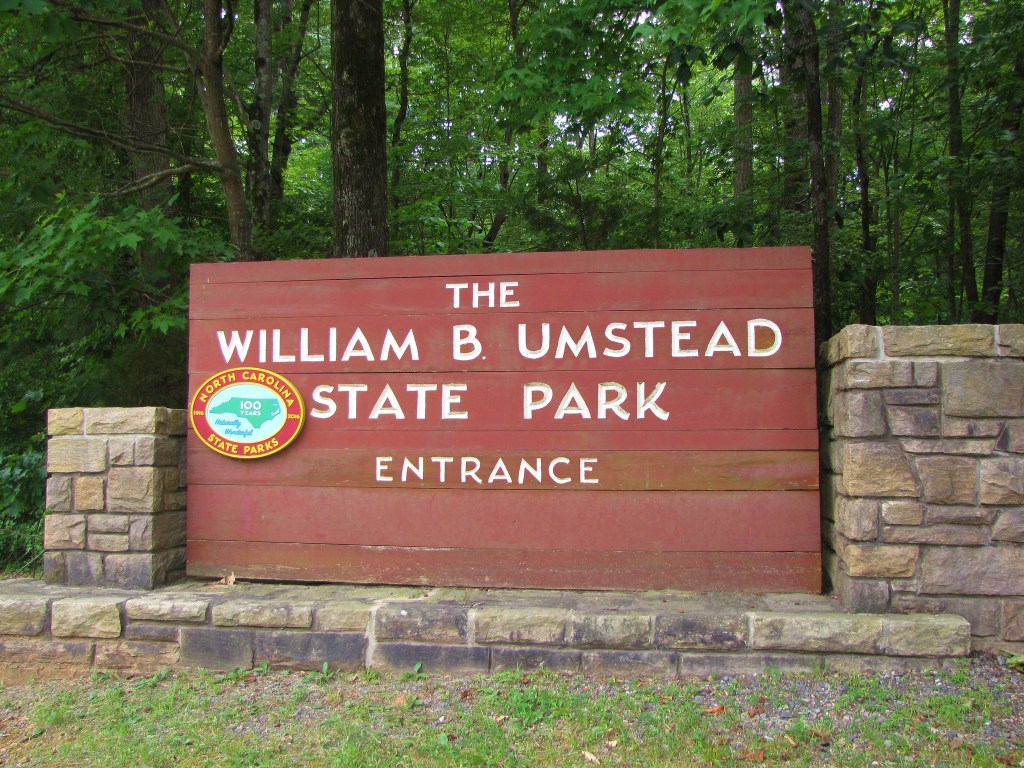
In a region marked by constant development and expanding highways, William B. Umstead State Park remains a sanctuary. Spanning over 5,500 acres between Raleigh and Durham, this forest offers much more than scenic trails and quiet lakes; it protects critical ecosystems, provides clean air and water, and serves as a recreational haven for over 1.8 million visitors each year.
Despite its value, Umstead now faces escalating threats; recent legal decisions and development proposals could reshape its future and diminish the natural experiences so many rely on. As the park enters a new phase of vulnerability, the public’s role in protecting it has never been more important.
Why Umstead Park Matters
An Ecosystem That Works for Everyone
Umstead’s value lies not only in its beauty but in its function. The forest supports over 100 species of birds, native mammals, amphibians, and pollinators. Its creeks flow into the Neuse River Basin, a major source of drinking water for eastern North Carolina. These habitats work in harmony; they purify water, cool the region, and foster biodiversity.
As cities grow, intact forests like Umstead become more than scenic escapes; they become environmental lifelines.
A Climate and Air Quality Asset
Forests play a measurable role in regulating climate. According to the Carbon Pirates, each acre of mature forest can sequester up to 2.5 tons of carbon dioxide annually. Based on this metric, Umstead Park absorbs over 13,000 tons of CO₂ every year. This natural carbon sink helps offset emissions from Raleigh, Durham, and the nearby airport corridor.
In a warming world, that contribution matters; so does keeping it intact.
A Public Health Resource
Beyond its environmental function, Umstead serves as a public health resource; walking, running, biking, and simply spending time in nature have well-documented benefits. The park offers space for physical activity, mental restoration, and community connection. Its proximity to one of the fastest-growing regions in the Southeast makes it both highly used and increasingly important.
2025 Updates: Court Ruling and Development Proposal
Wake Stone Quarry Permit Challenge Rejected
In a major decision this year, the North Carolina Court of Appeals upheld the state’s approval of a mining permit for Wake Stone Corporation, clearing the way for a new quarry operation on 105 acres of public land adjacent to Umstead Park. Environmental groups had challenged the permit; however, the court ruled against them in May 2025 (Carolina Journal).
If mining moves forward, potential impacts include:
- Loss of wildlife habitat and migration corridors
- Increased noise and dust pollution near public trails
- Contamination risks for streams flowing into Crabtree Creek
- Disruption of the forest buffer between the park and RDU Airport
While the legal battle is over, public advocacy continues; environmental groups are urging renewed environmental reviews and community oversight.
RDU Proposes Development at Lake Crabtree County Park
Adding to local concerns, Raleigh-Durham Airport Authority (RDU) recently proposed development on parts of Lake Crabtree County Park, a heavily used recreation area that connects directly to Umstead’s trail network. The plan has drawn sharp opposition from cyclists, conservationists, and families who rely on the area for outdoor access and green space (CBS 17).
Critics of the plan cite:
- Reduced public access to trails
- Fragmentation of natural land around Umstead
- Increased traffic and safety concerns for pedestrians and cyclists
- Loss of outdoor recreation in a high-density region
These two developments—one legally greenlit, the other under review—highlight a broader trend; public lands near Umstead are being eyed for commercial use, often without widespread community input.
What the Public Can Do
Preserving Umstead Park and the green spaces around it requires consistent public involvement. Fortunately, there are clear actions anyone can take.
1. Support Local Environmental Organizations
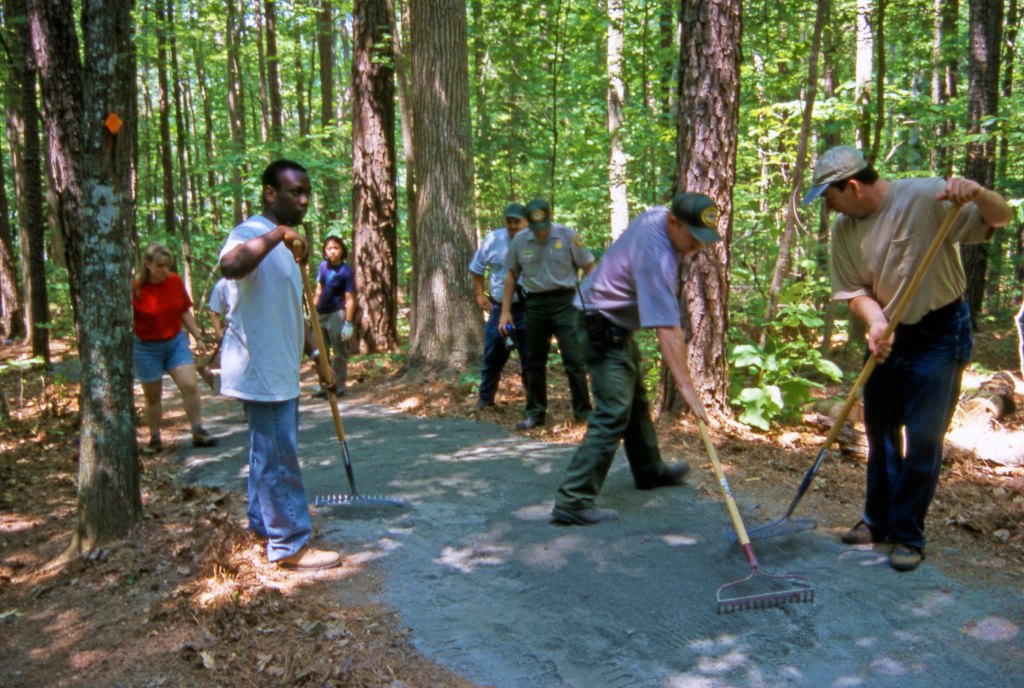
Groups such as The Umstead Coalition, Triangle Land Conservancy, and Sound Rivers are actively working to protect Umstead and its watershed. Donations, volunteer time, and sharing their resources help strengthen their reach and impact.
These organizations often spearhead legal efforts, organize cleanups, and provide education about the land and its value.
2. Contact Local Officials
Local leaders—especially city council members and county commissioners—need to hear that constituents support conservation. A single email or phone call can carry more weight than expected; urging policymakers to defend public green space helps keep these issues front and center.
3. Show Up at Public Meetings
Proposals like the Lake Crabtree development must go through public review; residents can attend meetings, submit written comments, and speak at hearings. The more engaged the community is, the harder it becomes for projects to move forward without scrutiny.
4. Share Accurate Information
Spreading the word helps counter misinformation; directing friends, family, and neighbors to trusted resources such as The Umstead Coalition’s update page ensures that public conversation stays informed and productive. Local forums, social media groups, and neighborhood meetings are excellent places to raise awareness.
5. Use the Park Respectfully
Responsible use helps preserve the park’s ecosystems. Visitors should stay on marked trails, leash pets, avoid disturbing wildlife, and leave no trace. These small steps support the park’s health and reduce the wear and tear caused by increasing foot traffic.
Umstead Park in 2025: At a Glance
| What’s at Risk | Key Updates in 2025 |
|---|---|
| Public forest land | NC Court of Appeals upheld quarry permit in May |
| Lake Crabtree trail access | RDU proposed development of connected parkland |
| Local water systems | Threatened by quarry runoff and sedimentation |
| Wildlife habitats | Fragmented by mining and reduced forest buffers |
| Community wellness and recreation | At risk from noise, traffic, and trail disruptions |
